Operating Cost Analysis: A Comparative Guide for Factory Tenants in Vietnam (2026)
Vietnam cements its role as a premier global manufacturing hub in 2026, foreign and domestic investors are aggressively expanding their footprints. However, achieving long-term profitability requires moving beyond simple rental rates. Investors often underestimate “hidden” operational expenses that, if left unmanaged, can erode profit margins.
Success in Vietnam’s competitive industrial landscape is not just about finding low-cost land; it is about achieving the lowest Total Cost of Ownership (TCO) through optimized infrastructure, strategic location, and efficient operational design.
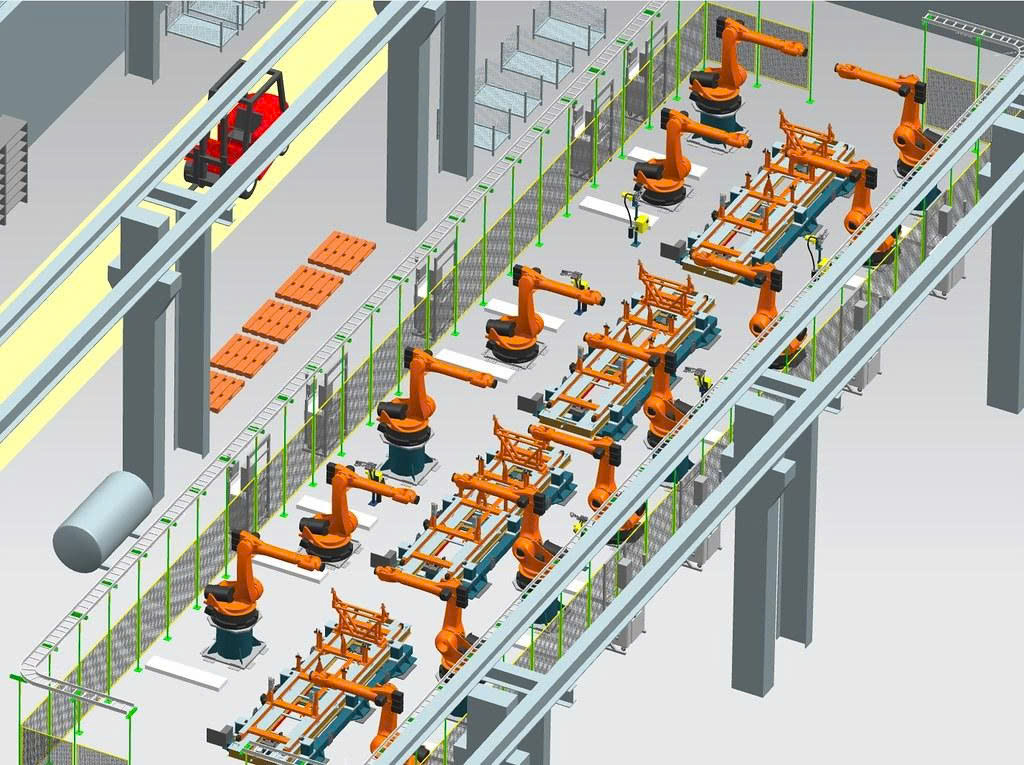
1. The Core Pillars of Operational Costs (Opex)
To manage a factory effectively, you must understand the interplay between these five key cost drivers:
- Direct Labor Costs: While Vietnam remains competitive, labor costs are rising alongside industrial growth. Beyond base wages (differentiated by Region I–IV), businesses must budget for mandatory social insurance, union fees, and the premium required to attract and retain skilled technical talent.
- Energy & Utilities: With Vietnam’s electricity demand projected to grow in double digits in 2026, energy stability is a major focus. Industrial enterprises must account for fluctuating electricity tariffs and the rising costs of industrial water supply and wastewater treatment.
- Logistics & Supply Chain: Often the largest “hidden” line item, transportation costs – specifically container drayage to deep-sea ports and major expressways – can dictate the viability of an export-oriented business.
- Compliance & Administration: The costs of maintaining international-standard fire safety, environmental permits, and annual regulatory reporting are non-negotiable.
- Space Efficiency: Every square meter of unused or poorly configured warehouse space is a wasted capital expense.
2. Comparison Matrix: Standard vs. Optimized Models
| Cost Driver | Traditional/Standard Factory | KCN Vietnam Optimized Model |
| Energy Efficiency | Standard grid usage (higher vulnerability) | Energy-saving designs |
| Logistics Distance | Secondary/tertiary locations | Primary economic corridor hubs |
| Maintenance | Reactive (high unexpected downtime) | Proactive management & high-spec assets |
| Space Utilization | Low efficiency (Standard layout) | Flexible/modular layouts (reducing excess sqm) |
3. The Hidden Costs of Poor Infrastructure
Choosing a “cheap” factory with substandard infrastructure often results in higher long-term TCO due to several factors:
- Operational Downtime: Power grid instability or poor structural design leads to frequent machinery maintenance bottlenecks. Every hour of downtime in a high-speed production line carries a significant financial penalty.
- Compliance Liabilities: Opting for facilities that lack modern fire safety or environmental certifications often leads to retroactive costs. Upgrading a sub-par facility to meet 2026 regulations is significantly more expensive than starting in a compliant one.
- Retention Issues: Talent retention is tied to the work environment. High-quality employees gravitate toward facilities that offer clean, safe, and professional surroundings with modern amenities (proper ventilation, lighting, and employee facilities).
4. How KCN Vietnam Lowers Your Total Cost of Ownership (TCO)
At KCN Vietnam, we design our industrial properties to serve as cost-optimization engines for our tenants:
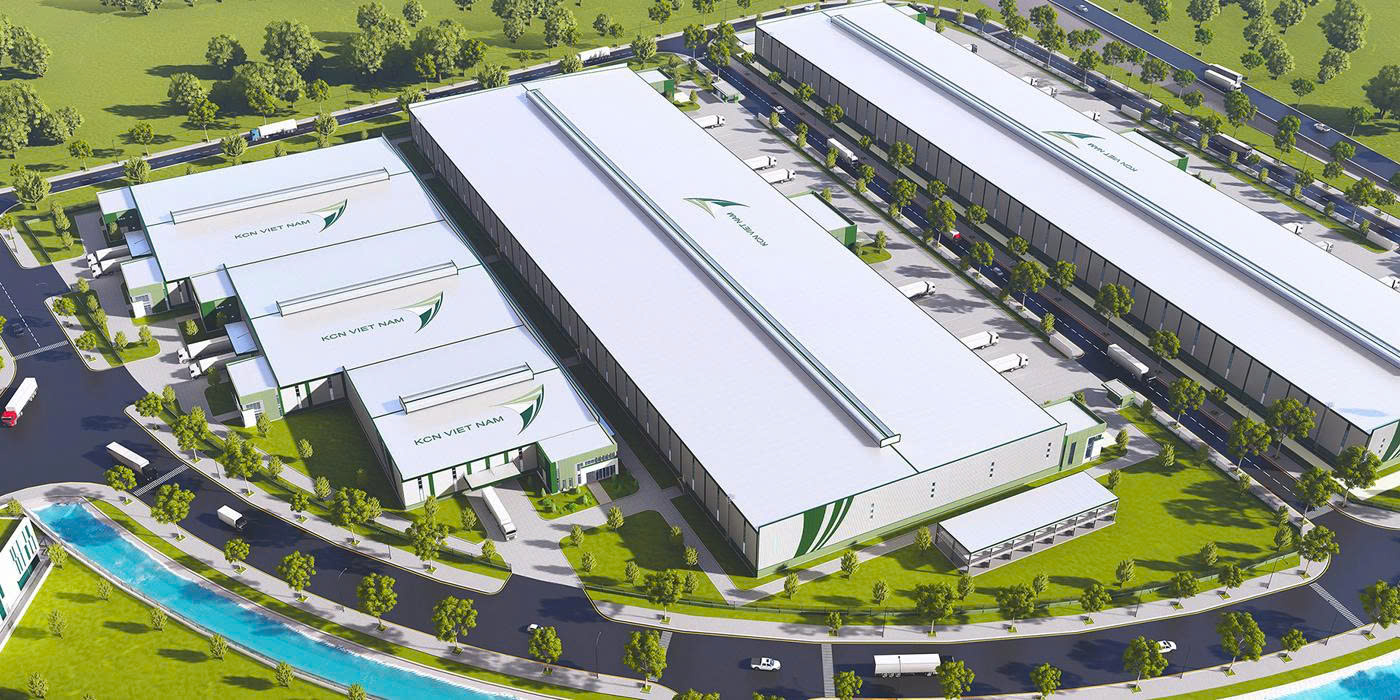
- Strategic Positioning: Our facilities are situated in prime economic corridors (Haiphong, Bac Ninh, Ho Chi Minh City, Dong Nai, and Long An). By placing your production near major deep-sea ports and international airports, we drastically reduce container drayage costs – often the most significant variable in your logistics budget.
- ESG-Driven Savings: We integrate solar-ready roof designs and energy-efficient building materials. This allows tenants to integrate clean energy solutions, helping to hedge against rising industrial electricity tariffs in 2026 and supporting corporate sustainability goals.
- High-Spec Reliability: Our buildings meet stringent international requirements for fire prevention and structural integrity. This proactively minimizes your risk of downtime and operational interruptions.
5. Calculating Your Bottom Line
To perform an accurate audit, use the Total Cost of Ownership (TCO) formula:
Total Operational Cost = Base Rent + Utilities + Logistics + Labor/Retention + Compliance
In the current market, it is often more cost-effective to pay a premium for a “Ready-Built” facility that is “Permit-Ready” than to save on lower-quality land and lose months of production time in bureaucratic approval processes.
Conclusion
Operating in Vietnam is an investment in long-term efficiency. By selecting a facility that anticipates the demands of the 2026 industrial landscape – rather than one that merely provides a roof – you position your company to maintain superior EBIT margins despite global economic headwinds.
Ready to optimize your manufacturing footprint? Contact KCN Vietnam to tour our premium industrial assets.
- Website: https://kcnvietnam.com/
- Hotline: 1900 0089
- Solutions: High-specification Ready-Built Factories, Warehouses, Hybrids, and Built-to-Suit (BTS) facilities.
KCN MANAGEMENT AND SERVICES JSC
HEADQUARTER
Level 10 – Saigon View,
117 Nguyen Cuu Van, Gia Dinh Ward,
Ho Chi Minh City, Vietnam
HANOI OFFICE
Suite 1812 – Charmvit Tower,
117 Tran Duy Hung, Yen Hoa Ward,
Hanoi, Vietnam
Hotline: 1900 0089
Tel: +84 28 7777 0089