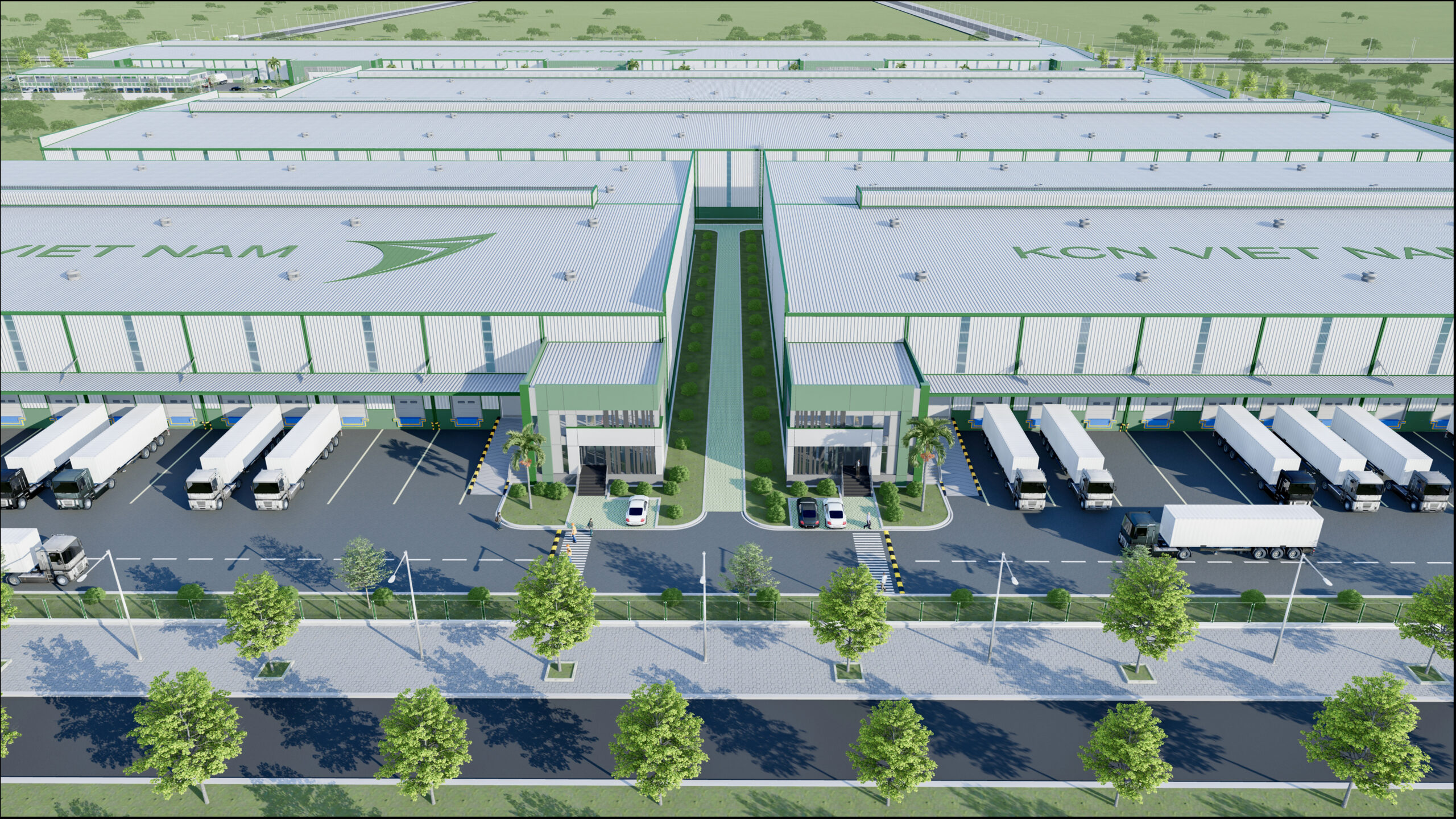
Warehouse for Rent in Vietnam: Strategic Logistics Infrastructure for Modern Supply Chains
The demand for high-quality warehouses for rent in Vietnam is growing significantly among FDI manufacturers, e-commerce operators, retailers and third-party logistics providers (3PLs).
However, modern businesses are no longer searching for warehouse space based solely on rental cost or location. Today, warehouse infrastructure has become a strategic operational asset directly impacting inventory efficiency, transportation cost, delivery speed and long-term scalability.
For supply chain leaders, choosing the right warehouse in Vietnam is now a business continuity decision – not simply a real estate transaction.
Why Vietnam Is Becoming a Strategic Hub for Warehouse Leasing
Over the past decade, Vietnam has maintained strong economic momentum driven by export-oriented manufacturing and international trade integration. According to the General Statistics Office of Vietnam (GSO), manufacturing, logistics and foreign direct investment continue to be among the key drivers of Vietnam’s economic growth.
At the same time, Vietnam has become one of the largest beneficiaries of the global supply chain diversification trend. Multinational corporations are increasingly relocating or expanding operations into Vietnam to reduce geopolitical risks, diversify sourcing and optimize manufacturing costs.
As global supply chains face increasing geopolitical uncertainty and transportation volatility, businesses are shifting toward multi-node warehouse networks designed to improve resilience, accelerate fulfilment speed and diversify inventory positioning across Southeast Asia.
Several factors are accelerating demand for warehouse leasing across Vietnam:
– Growth of e-commerce and omnichannel retail
– Expansion of regional distribution networks
– Rising demand for cold chain and fulfilment centres
– Strong FDI inflows into electronics, industrial manufacturing and logistics
– Development of key infrastructure projects, including seaports, expressways and airports
Vietnam’s participation in major free trade agreements such as EVFTA, CPTPP and RCEP also strengthens its position as a regional logistics gateway connecting Northeast Asia, ASEAN, Europe and North America.
As logistics operations become increasingly time-sensitive, warehouses are no longer viewed merely as passive storage facilities. Instead, they have become critical components of operational resilience, fulfilment efficiency and customer responsiveness.
Modern Warehouses Are No Longer Just Storage Facilities
Traditional warehouse models focused primarily on storing goods. However, the role of warehouses has fundamentally changed in the modern supply chain environment.
Today’s logistics operations require facilities that can simultaneously support:
– Inventory management
– Cross-docking
– E-commerce fulfillment
– Last-mile distribution
– Light assembly and packaging
– Regional distribution activities
This shift has transformed warehouse selection criteria for businesses operating in Vietnam.
Instead of simply evaluating rental prices, supply chain managers now prioritize operational efficiency indicators, such as:
– Truck accessibility
– Docking capacity
– Floor loading capability
– Ceiling height optimization
– Warehouse automation readiness
– Energy efficiency
– ESG compliance standards
For many multinational companies, warehouse infrastructure directly influences customer service levels, inventory turnover and transportation performance.
As a result, the quality of industrial logistics infrastructure is becoming a major competitive advantage.
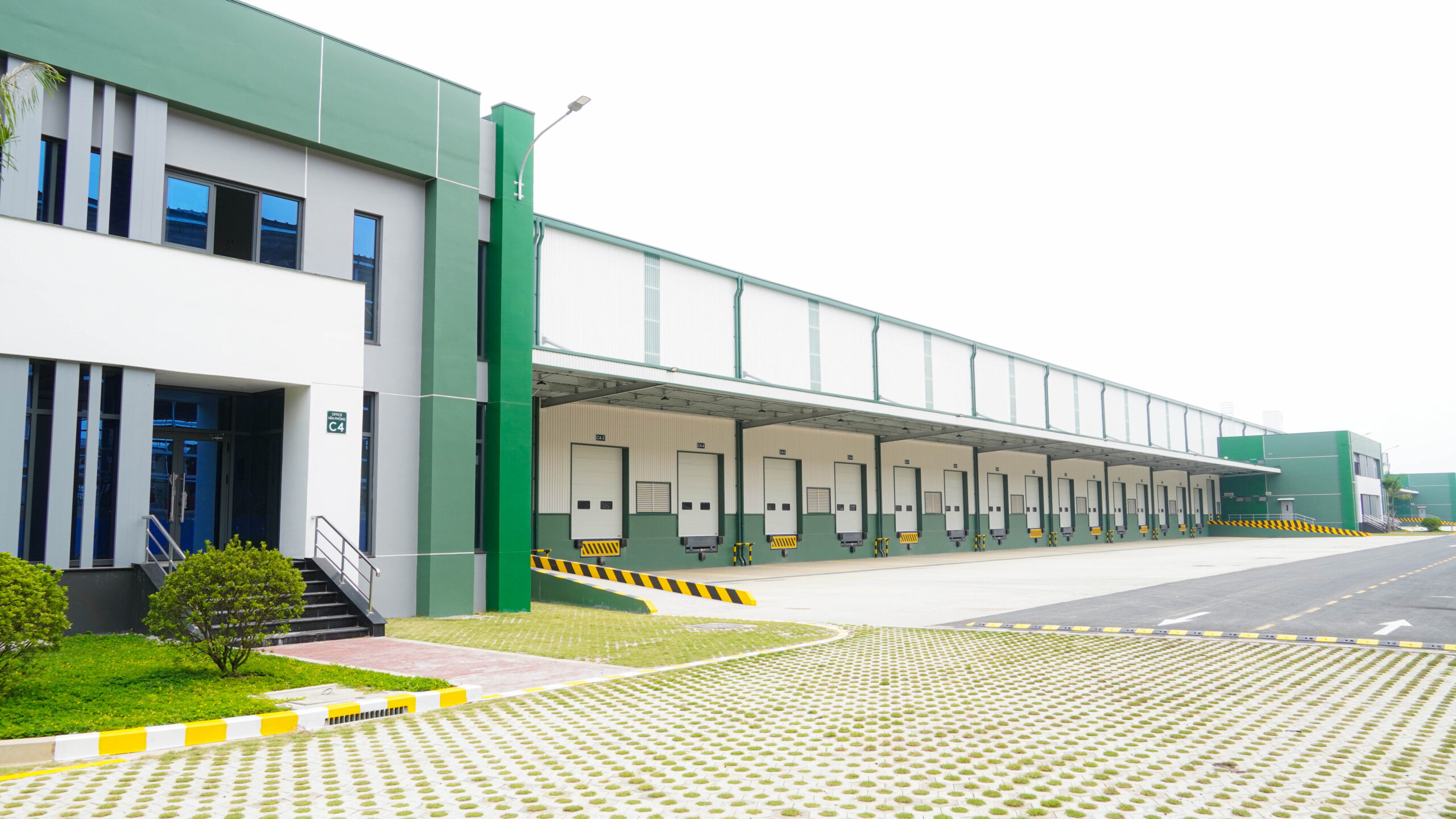
Key Factors When Choosing a Warehouse for Rent in Vietnam
Strategic Location Near Industrial and Consumption Hubs
Location remains one of the most critical factors when selecting a warehouse in Vietnam. However, the definition of “good location” has evolved significantly.
Modern businesses evaluate warehouse locations based on:
– Connectivity to seaports and airports
– Access to expressways and ring roads
– Distance to suppliers and manufacturing clusters
– Delivery coverage to consumption centres
– Labor availability
For export-oriented businesses, proximity to key ports such as Lach Huyen Port (Hai Phong) or Cai Mep – Thi Vai Port (Southern Vietnam) can significantly reduce transportation lead time and logistics costs.
Meanwhile, e-commerce and retail companies prioritize fast access to major consumption markets such as Ho Chi Minh City and Hanoi.
Clear Height and Floor Loading Capacity
Technical specifications have become increasingly important in warehouse leasing decisions.
Modern warehouse operators typically require:
– Clear ceiling heights from 7.5m to 10.5m
– High floor loading capacities
– Wide column spacing
– Efficient truck circulation systems
Higher ceiling clearance allows businesses to maximize vertical storage through high-density racking systems, reducing overall storage costs per square meter.
Similarly, stronger floor loading capacity supports automated systems, high-density storage and intensive logistics operations.
Docking Systems and Operational Efficiency
Loading and unloading efficiency directly impacts warehouse productivity.
High-quality warehouses should include:
- Multiple loading docks
- Dock levelers
- Wide manoeuvring yards
- Separate traffic flow systems
Efficient docking infrastructure helps reduce truck waiting time, minimize congestion and improve operational throughput.
For logistics-intensive businesses, these factors significantly influence daily operating costs and service performance.
Fire Protection and Regulatory Compliance
Fire safety standards are increasingly important for both local and multinational businesses operating in Vietnam.
Industrial facilities should comply with Vietnam’s Fire Prevention and Fighting regulations while meeting international operational standards.
Businesses also prioritize:
– Stable power supply
– Wastewater treatment systems
– Environmental compliance
– Worker safety standards
This is especially important for electronics, high-value inventory and export-oriented industries.
Top Locations for Warehouse for Rent in Vietnam
Hai Phong – Northern Vietnam’s Logistics Gateway
Hai Phong is one of Vietnam’s most strategic logistics hubs thanks to its deep-sea port infrastructure and strong industrial ecosystem.
The Lach Huyen deep-sea port enables direct international shipping routes, significantly reducing transit time for exporters.
Hai Phong is particularly attractive for:
– Electronics manufacturers
– Automotive suppliers
– Export-oriented businesses
– Regional distribution centres
Businesses can also explore integrated industrial logistics ecosystems through projects in Northern Vietnam, where warehousing and manufacturing infrastructure are increasingly connected.
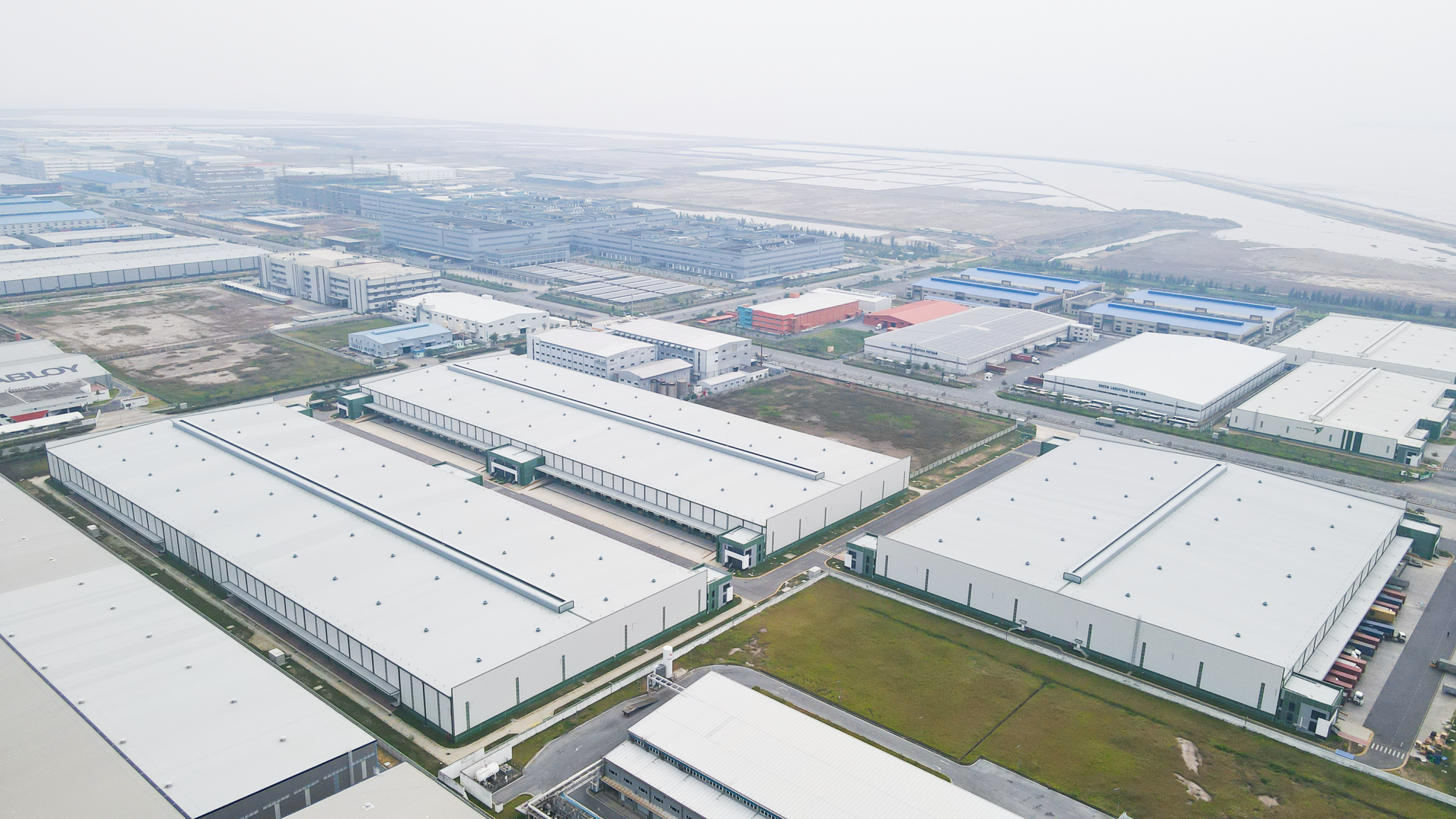
Figure: Illustration of KCN Vietnam’s project in Hai Phong: KCN DEEP C
Bac Ninh – Electronics and Supply Chain Hub
Bac Ninh has become one of Vietnam’s leading industrial provinces, attracting major technology corporations such as Samsung and Foxconn.
Its strategic proximity to Hanoi and Northern manufacturing clusters makes Bac Ninh ideal for:
– Electronics logistics
– Supplier warehousing
– Inventory consolidation
– Regional distribution
The province’s mature industrial ecosystem also supports efficient supplier coordination and transportation optimization.
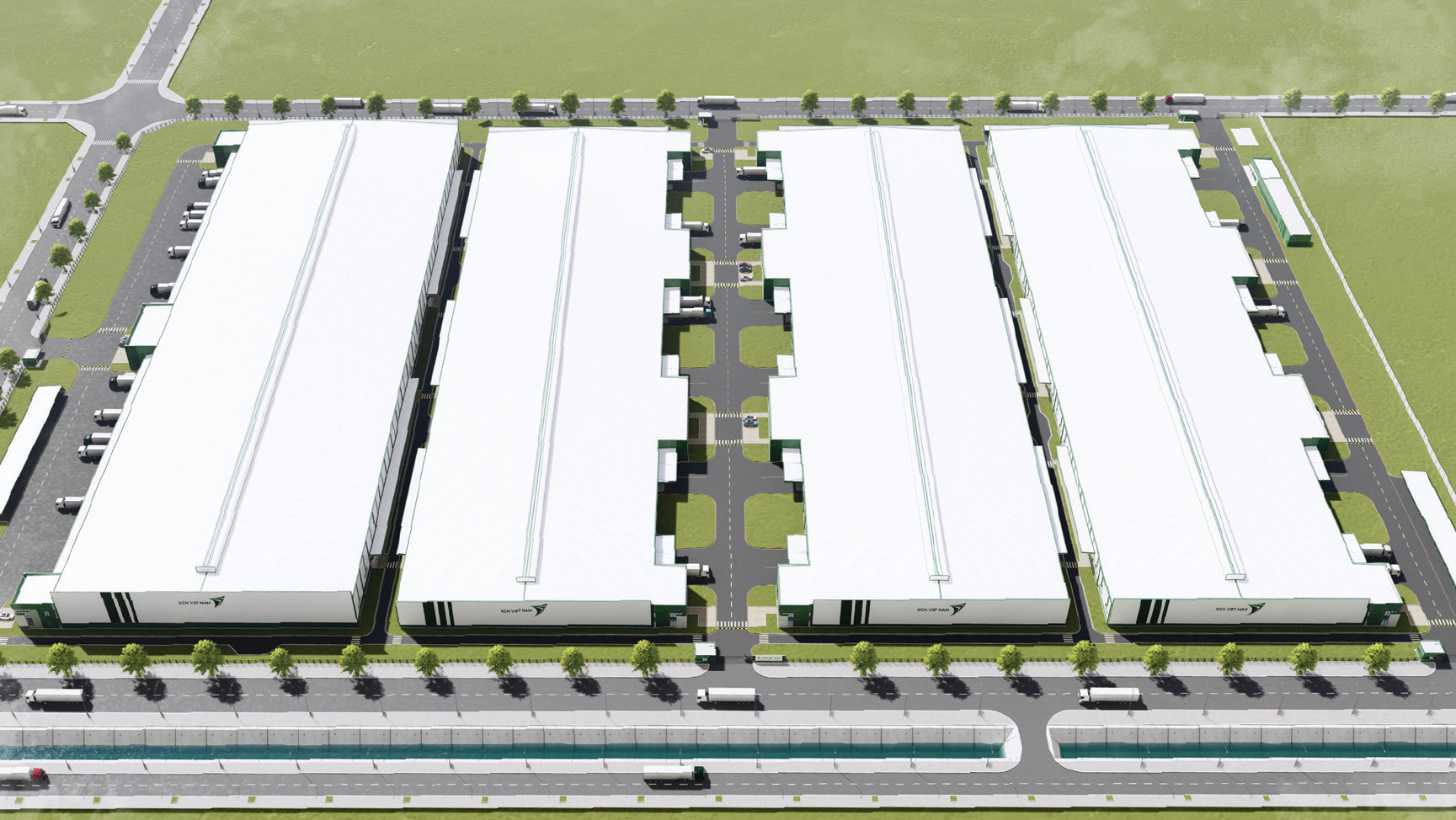
Figure: Illustration of KCN Vietnam’s project in Bac Ninh: KCN Thuan Thanh 3B
Dong Nai – Multi-Modal Logistics Powerhouse
Dong Nai is emerging as Southern Vietnam’s logistics powerhouse.
The province benefits from:
– Proximity to Ho Chi Minh City
– Cai Mep – Thi Vai Port connectivity
– Long Thanh International Airport development
– Extensive expressway infrastructure
This combination creates strong advantages for:
– Regional distribution
– Import-export logistics
– Manufacturing supply chains
– Large-scale warehousing operations
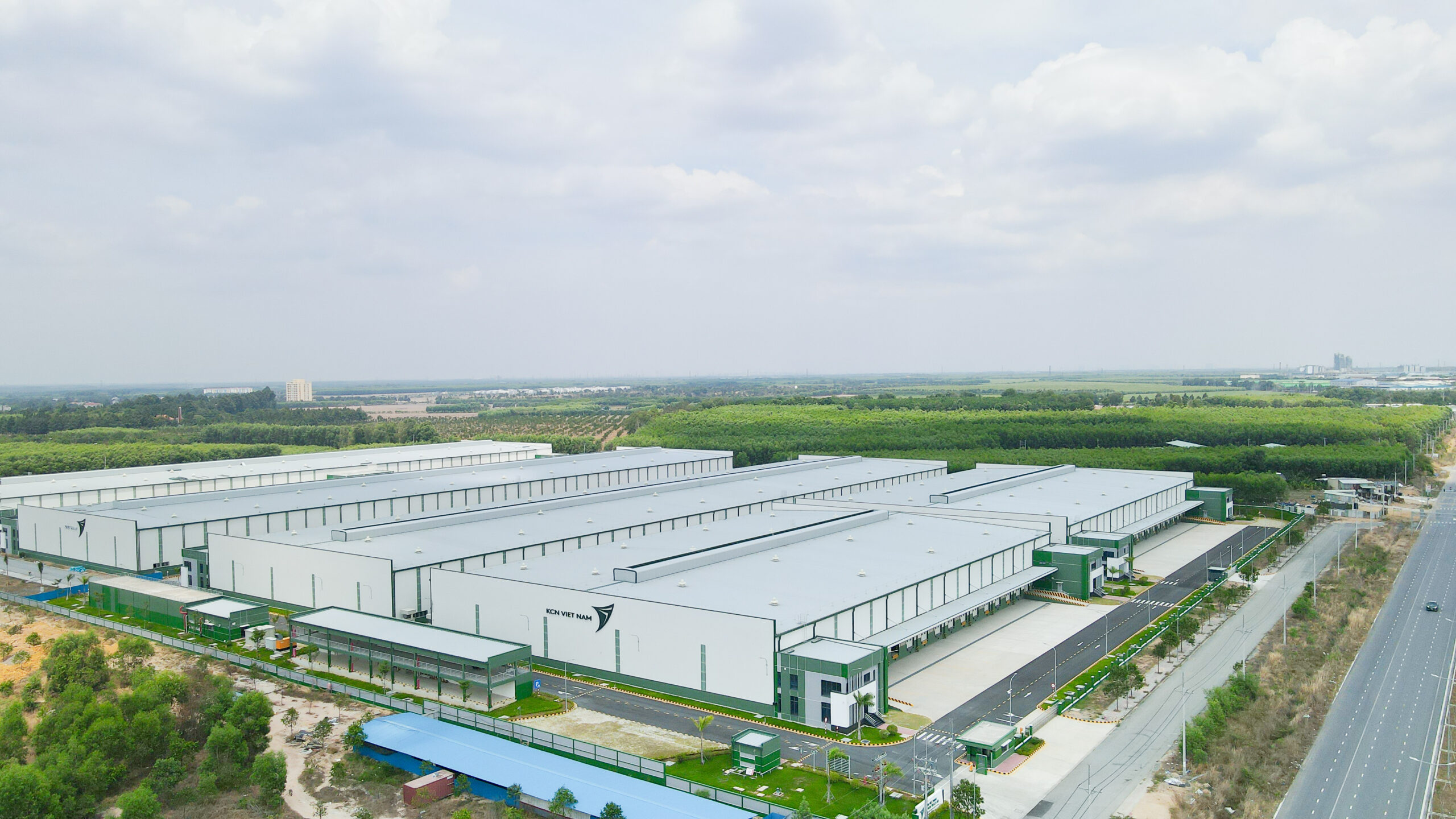
Figure: Illustration of KCN Vietnam’s project in Dong Nai city: KCN Nhon Trach 6D
How Warehouse Infrastructure Impacts Total Logistics Cost
Many businesses underestimate the relationship between warehouse quality and total logistics cost.
In reality, warehouse infrastructure directly impacts delivery lead time, inventory turnover, labour efficiency and overall supply chain resilience.
For example, insufficient ceiling height may reduce storage density, increasing the total warehouse footprint required.
Poor truck circulation systems may create loading bottlenecks, increasing labour costs and delivery delays.
Similarly, outdated facilities often generate higher electricity consumption and maintenance expenses.
As supply chains become increasingly time-sensitive, inefficient infrastructure can quickly erode operational margins.
This is why modern logistics leaders evaluate warehouse assets based on Total Cost of Operations (TCO) rather than rental price alone.
Why Ready-Built Warehouses (RBW) Are Becoming the Preferred Model
The Ready-Built Warehouse (RBW) model is becoming increasingly popular among FDI businesses and logistics operators in Vietnam.
Compared to self-developed facilities, RBW offers several strategic advantages.
Faster Deployment
Businesses can begin operations significantly faster without waiting for lengthy construction timelines.
This is especially important in industries where speed-to-market directly affects competitiveness.
Lower Capital Expenditure
Instead of investing heavily in land acquisition and construction, businesses can preserve capital for:
– Technology investment
– Inventory scaling
– Market expansion
– Operational upgrades
This approach improves financial flexibility and reduces investment risk.
Operational Scalability
Modern RBW projects allow businesses to scale operations more efficiently as demand changes.
Companies can expand or optimize warehouse space without disrupting existing operations.
ESG and Sustainability Readiness
New-generation warehouses increasingly integrate ESG-oriented infrastructure, such as:
– Solar rooftop systems
– Energy-efficient lighting
– Natural ventilation optimization
– Water management systems
– Green building certifications/standards
These features help businesses reduce carbon emissions while improving operational efficiency.
Warehouse Solutions at KCN Vietnam
With experience accompanying many projects, KCN Vietnam is an industrial property developer specializing in high-quality industrial ready-built facilities across strategic economic zones in Vietnam.
With projects located in key industrial provinces including Hai Phong, Bac Ninh in the North and Dong Nai, Ho Chi Minh City, Tay Ninh in the South, KCN Vietnam focuses on developing scalable logistics and manufacturing ecosystems for modern businesses.
Businesses evaluating both manufacturing and logistics infrastructure strategies can also explore our comprehensive guide on Factory for Rent in Vietnam.
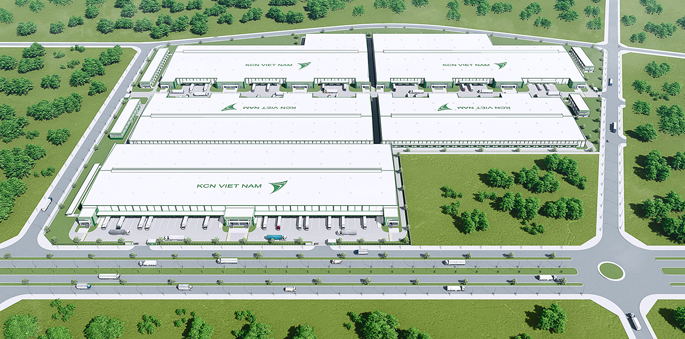
Warehouse Infrastructure Designed for Operational Efficiency
KCN Vietnam’s warehouse facilities are designed based on real operational requirements from modern logistics and manufacturing businesses.
Key technical specifications include:
– Clear height 10.5m
– Floor loading capacity 3 tons/m²
– Efficient loading dock systems
– Certified fire protection systems
These specifications support:
– High-density storage
– Flexible logistics operations
– Integrated supply chain activities
– Scalable business expansion
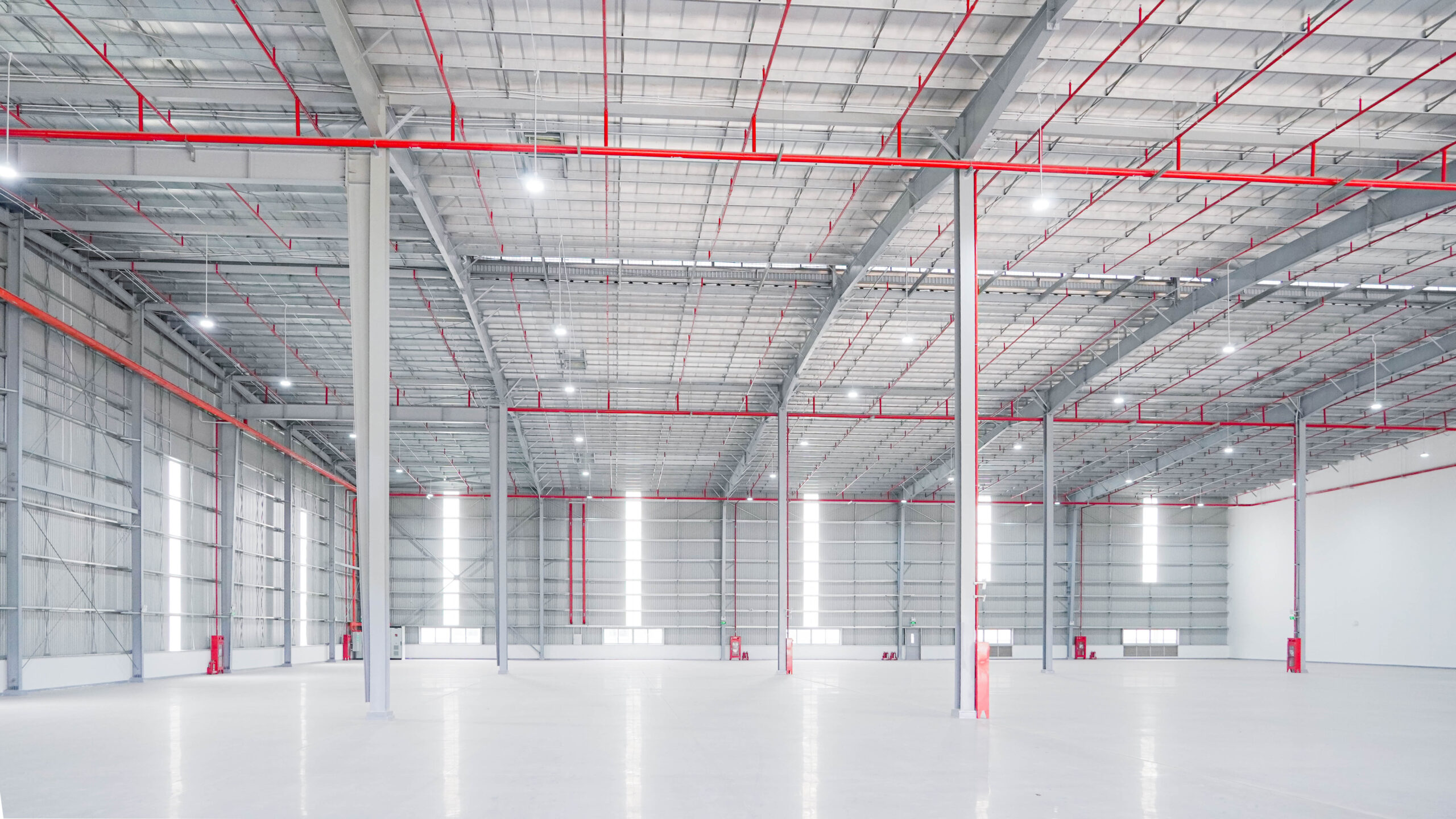
Figure: illustration of a ready-built warehouse in KCN Vietnam
ESG-Oriented Industrial Infrastructure
Sustainability is becoming increasingly important for global supply chains.
KCN Vietnam integrates ESG-oriented infrastructure solutions, such as:
– Rooftop solar systems
– Energy-saving designs
– Efficient ventilation systems
– Sustainable industrial planning
This helps businesses improve ESG compliance while reducing long-term operating costs.
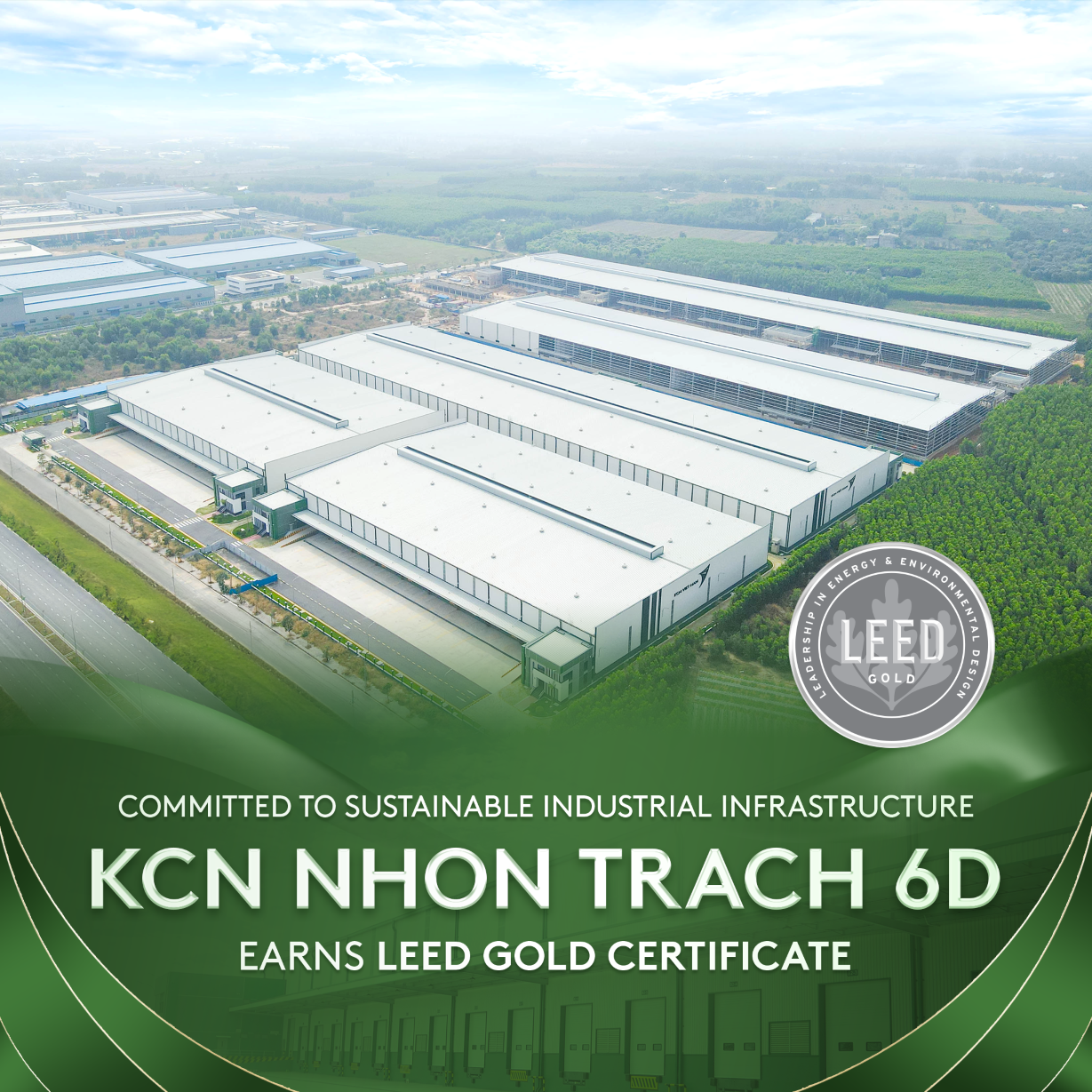
Figure: Nhon Trach 6D project in KCN Vietnam earns LEED GOLD standards
One-Stop Support Services for Investors
Beyond infrastructure, KCN Vietnam also supports investors through comprehensive operational services, including:
– Investment licensing support
– Legal consultancy
– Environmental compliance
– Accounting and tax advisory
– Human resource support
This integrated approach helps businesses accelerate market entry while minimizing operational risks during setup phases.
Conclusion
As Vietnam continues strengthening its role in global manufacturing and logistics networks, demand for high-quality warehouse space in Vietnam will continue growing among FDI investors, 3PL operators and modern supply chain businesses.
For companies seeking operational flexibility, faster deployment and scalable logistics infrastructure, choosing the right warehouse partner is now a critical strategic decision.
With strategically located projects, modern technical specifications and integrated operational support, KCN Vietnam provides businesses with infrastructure solutions designed for the next generation of industrial and logistics growth in Vietnam.
Explore KCN Vietnam’s ready-built warehouse solutions today and discover infrastructure tailored to your supply chain strategy and long-term expansion goals.
KCN MANAGEMENT AND SERVICES JSC
HEADQUARTER
Level 10 – Saigon View,
117 Nguyen Cuu Van, Gia Dinh Ward,
Ho Chi Minh City, Vietnam
HANOI OFFICE
Suite 1812 – Charmvit Tower,
117 Tran Duy Hung, Yen Hoa Ward,
Hanoi, Vietnam
Hotline: 1900 0089
Tel: +84 28 7777 0089