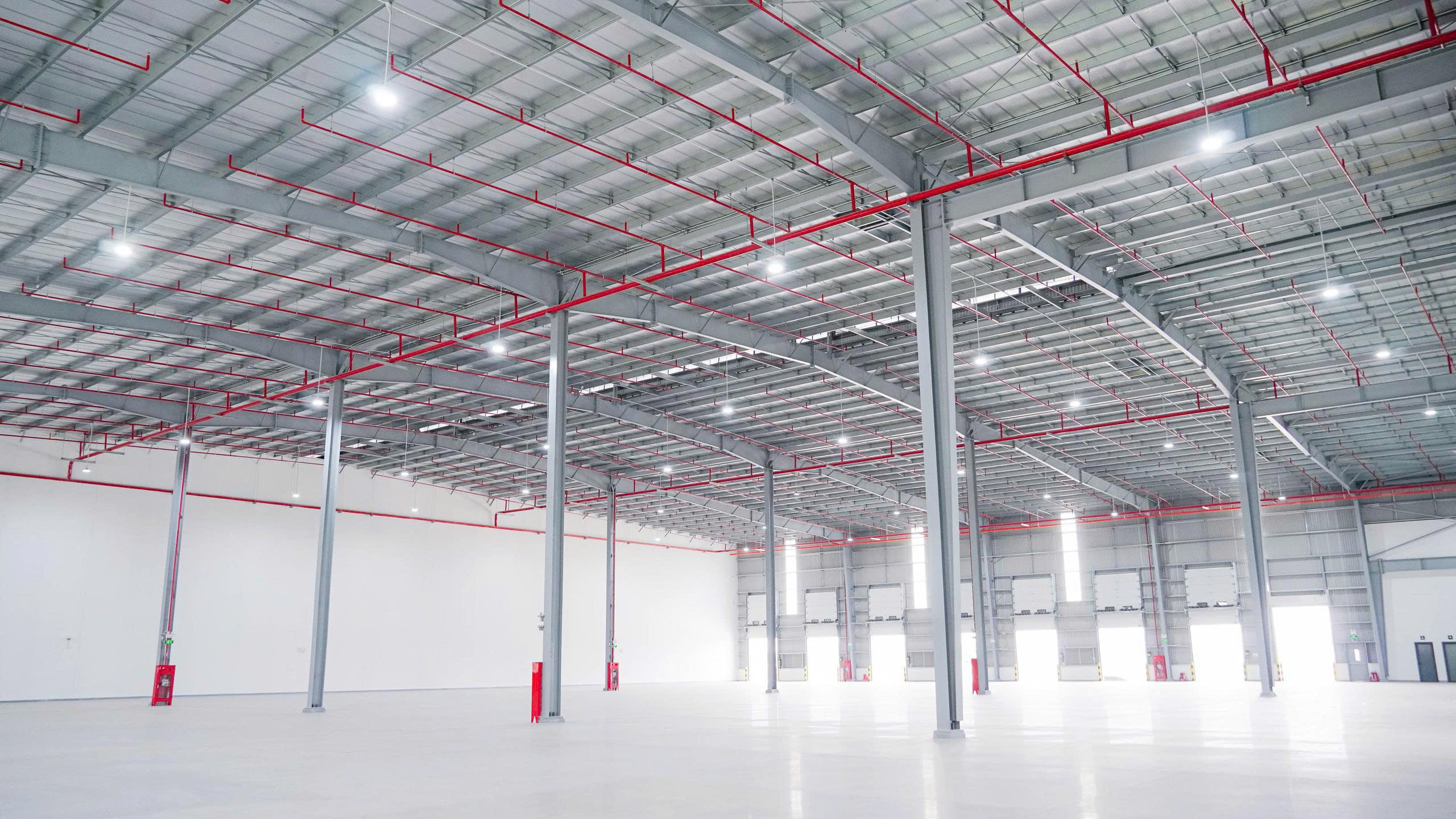
Ready-Built Factories with Firefighting Systems: A Strategic Advantage and Optimal Safety Solution for FDI Enterprises
Against the backdrop of Foreign Direct Investment (FDI) inflows continuing to pour robustly into Vietnam, industrial infrastructure mandates have moved far beyond mere square footage or geographical coordinates. For multinational corporations, fire safety has transformed into a “survival” criterion when making facility leasing decisions. Choosing a ready-built factory (RBF) equipped with a certified, compliant firefighting and prevention (PCCC) system is not merely about fulfilling legal requirements; it represents a smart risk management strategy that optimizes overall costs and accelerates market entry schedules.
1. Legal Context: New Fire Safety Codes and Challenges for Investors
In recent years, the Ministry of Construction and the Ministry of Public Security have actively enforced much more stringent fire safety regulations across industrial zones. Notably, the QCVN 06:2022/BXD technical regulations on Fire Safety for Buildings and Structures have established significant technical hurdles for both developers and tenants.
The updated standards mandate exceptionally high thresholds for the fire resistance rating of structural steel, the application of certified fire-retardant paint, fire-rated partitions, and automated smoke extraction layouts. For enterprises choosing to construct their own facilities, completing design dossiers, navigating administrative approvals, and securing the final fire code compliance acceptance can prolong timelines by 3 to 6 months—or even longer if the latest building material standards are not met. This delay directly stalls manufacturing roadmaps and amplifies corporate opportunity costs.
2. 5 Major Advantages of Leasing Ready-Built Factories with Built-In Firefighting Systems
Opting for a ready-built factory model that has fully secured official fire safety certification delivers tangible advantages to FDI investors:
2.1. Accelerated Time-to-Market
This is the most critical edge. When the central firefighting infrastructure has already been fully completed and approved by fire authorities, the manufacturing tenant only needs to focus on deploying their machinery lines and applying for supplementary fire approvals tailored to their specific manufacturing workflows (if required). This substantially compresses the runway needed to launch commercial production.
2.2. Optimizing Capital Expenditure (CapEx)
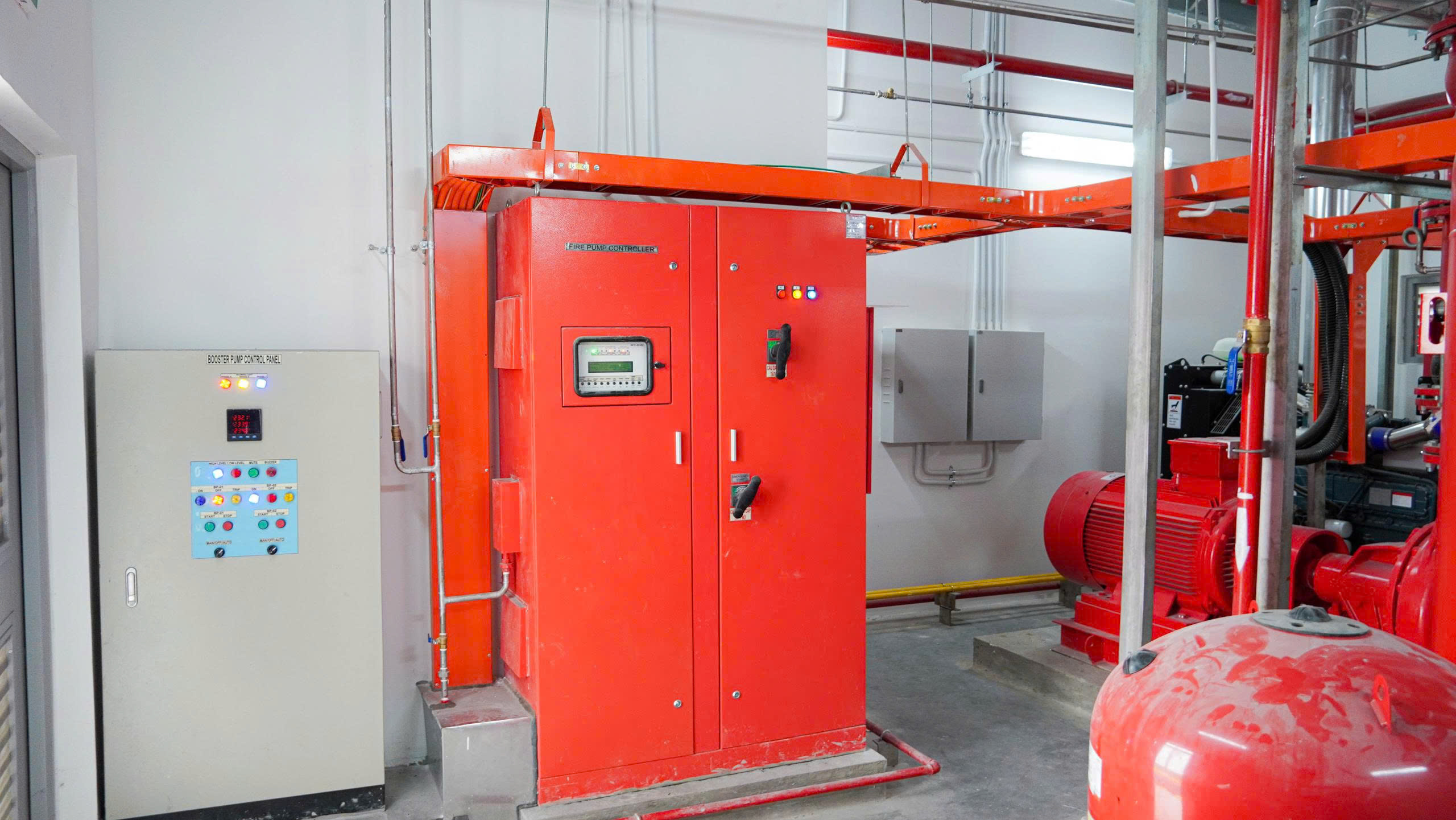
Engineering an international-standard firefighting setup—comprising massive water storage reservoirs, high-capacity pumping stations, comprehensive piping networks, and automatic sprinkler heads—demands heavy upfront capital. By leasing an RBF, businesses can effortlessly convert a massive fixed asset cost into predictable monthly operating expenses (OpEx), freeing up capital for core business activities.
2.3. Absolute Legal Compliance
Professional industrial infrastructure developers maintain consistent, close coordination with regulatory bodies to ensure that delivered factories carry the highest level of fire safety compliance acceptance. This minimizes legal exposure or the risk of sudden operational suspension for FDI firms due to unmet fire codes.
2.4. Reduced Asset Insurance Premiums
Global insurance underwriters routinely grant highly favorable premium discounts to manufacturing plants situated within industrial developments that feature fully compliant, certified fire protection infrastructure. This delivers ongoing, long-term operational cost savings year over year.
2.5. 24/7 Peace of Mind Operations
Automated fire detection and suppression systems actively protect corporate property, physical inventory, and most importantly, human lives. This fosters a safe, human-centric working environment, elevating the employer brand and corporate reputation among the workforce and international trade partners.
3. Essential Components of a Standard Industrial Fire Protection System
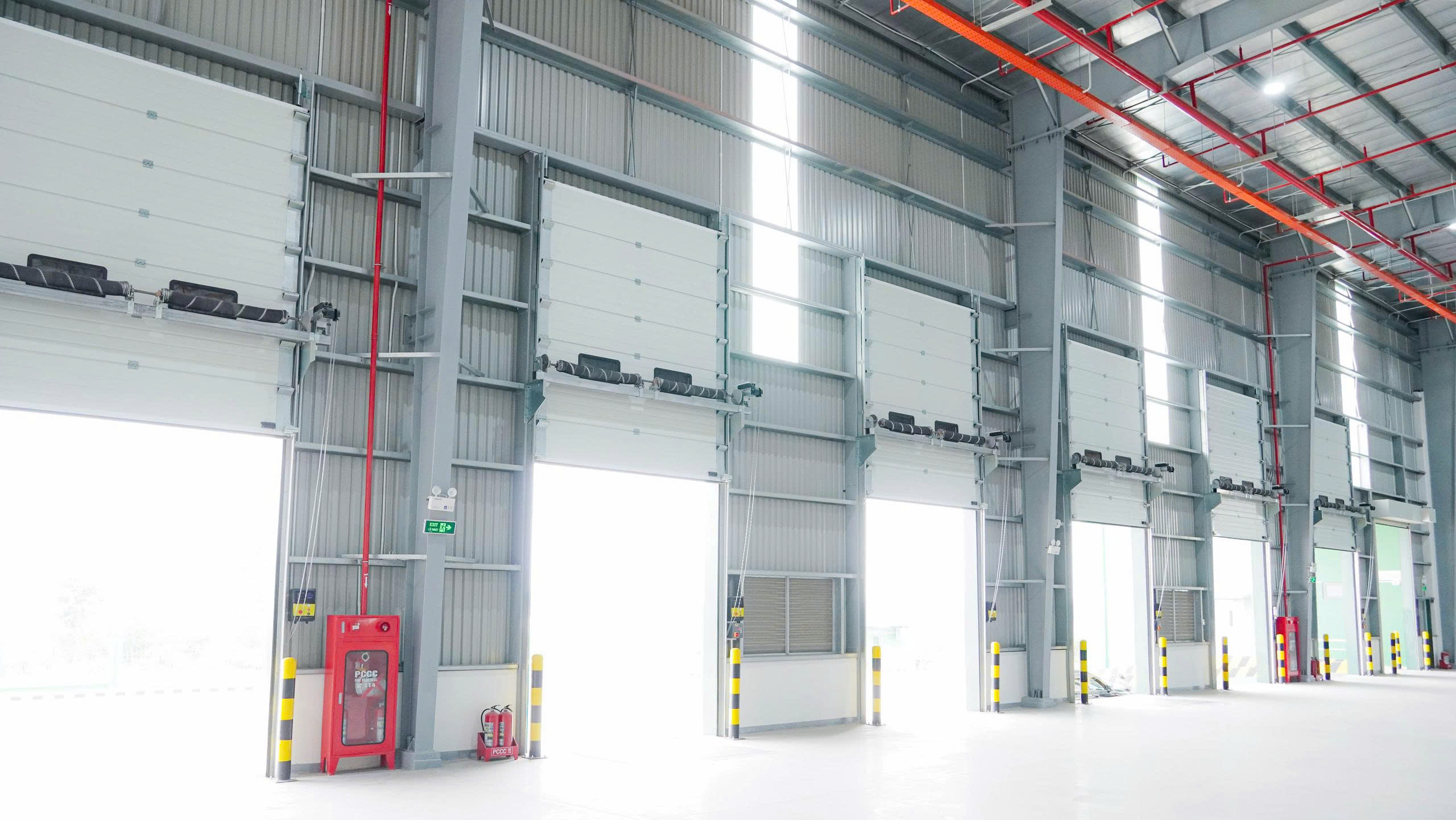
A premium-grade ready-built factory is structurally equipped with a complete array of the following components:
- Automated Fire Alarm System: Utilizing highly sensitive smoke and heat detectors wired directly to a centralized control panel.
- Automatic Sprinkler System: A network of sprinkler heads engineered for immediate activation the moment temperatures hit critical thresholds.
- Fire Hydrant Stations and Portable Extinguishers: Strategically and scientifically laid out at highly accessible points according to statutory distance regulations.
- Fire Pumping Stations and Dedicated Fire Water Reservoirs: Guaranteeing stable water pressure and consistent flow rates for a designated duration during an emergency.
- Emergency and Exit Lighting: Independent, backup-powered escape lighting configurations that guide personnel to safety even during complete grid power blackouts.
4. Passive Fire Protection Solutions: Fire-Retardant Paint and Firewalls
Alongside active suppression systems, modern industrial facilities place massive emphasis on passive fire protection. Coating structural steel with specialized fire-retardant paint preserves the load-bearing integrity of the building frame for 60 to 120 minutes during a blaze, buy vital time for emergency crews to arrive. Concurrently, installing structural Firewalls utilizing non-combustible materials—such as Rockwool-core sandwich panels—effectively stops fire from spreading across production floor partitions and warehouse zones.
5. Deep Insights: Fire Safety and Its Alignment with ESG Criteria
For FDI enterprises, fire protection goes beyond mere technical checklists; it constitutes an indispensable part of a corporate Environmental, Social, and Governance (ESG) blueprint:
- S (Social): Protecting the human resource pool is the ultimate baseline of corporate social responsibility. A fire-safe workplace is concrete evidence of respect for worker welfare and human lives.
- G (Governance): Fire prevention is an absolute pillar within a robust Business Continuity Plan (BCP). Minimizing the risk of catastrophic disruption due to fire reflects the leadership’s capacity for sustainable risk governance.
6. Fire Safety Standards at KCN Vietnam Projects
Across flagship projects in Bac Giang, Haiphong, Dong Nai, and Long An, fire safety infrastructure is consistently prioritized for investment under the most rigorous standards. We understand that rock-solid infrastructure is the strongest commitment made to international investors.
- Synchronized Systems: Every ready-built factory features fully integrated, international-standard automatic sprinkler and fire alarm architectures.
- Dedicated Technical Advisory: A team of in-house specialists stands ready to guide and support tenants through supplementary fire safety approvals for specialized production lines.
- Prepared for Premium Standards: Our infrastructure design is highly adaptive, allowing companies to seamlessly upgrade systems to match ultra-stringent global corporate mandates such as FM Global (USA) if requested by the parent corporation.
- Integrated Natural Smoke Ventilation: Roof monitor configurations are mathematically engineered to synchronize with fire safety systems, ensuring rapid smoke extraction and minimizing asphyxiation risks for personnel inside.
7. Key Checkpoints to Verify Before Executing a Factory Lease
To secure their operational interests, FDI firms should carefully evaluate the following aspects during physical site tours:
- Request Official Compliance Documentation: Ensure that the building’s fire safety system has received formal inspection and compliance acceptance certificates from competent authorities.
- Verify Process Compatibility: Check if the pre-installed fire suppression setup natively aligns with the specific raw materials, finished inventory, or chemicals planned for production.
- Clarify Maintenance Boundaries: Delineate clear contractual terms outlining obligations for periodic inspection, testing, and preventive maintenance of fire safety equipment to keep systems in constant readiness.
Conclusion
Leasing a ready-built factory with a standardized, certified fire protection ecosystem is a powerful strategic move that protects corporate capital, human capital, and brand equity for FDI firms. In an era of escalating regulatory oversight, proactive fire safety infrastructure serves as the most important passport for enterprises to secure sustainable, long-term commercial victories in the Vietnamese market.
With an expansive portfolio spanning key economic zones, KCN Vietnam is proud to be your trusted partner, delivering safe, modern production spaces primed to accompany your long-term corporate growth.
KCN MANAGEMENT AND SERVICES JSC
HEADQUARTER
Level 10 – Saigon View,
117 Nguyen Cuu Van, Gia Dinh Ward,
Ho Chi Minh City, Vietnam
HANOI OFFICE
Suite 1812 – Charmvit Tower,
117 Tran Duy Hung, Yen Hoa Ward,
Hanoi, Vietnam
Hotline: 1900 0089
Tel: +84 28 7777 0089