Logistics Real Estate Demand in Vietnam: Growth Drivers and Strategies for FDI Investors
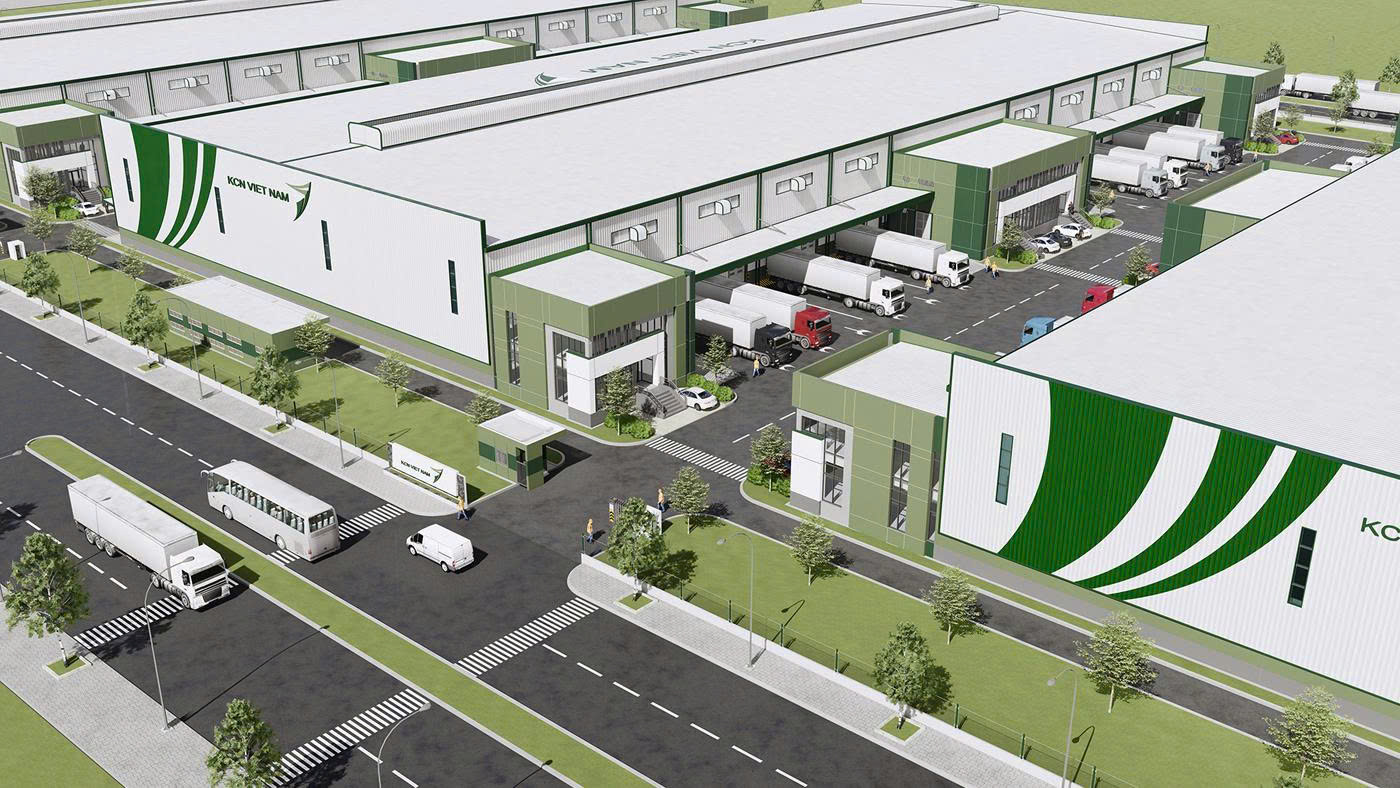
The boom of e-commerce alongside the global supply chain relocation wave is transforming Vietnam into one of the most dynamic logistics real estate markets in Southeast Asia. Within this context, demand is not only surging in terms of quantity but is also undergoing a strict transformation regarding infrastructure quality. Today’s FDI enterprises are no longer merely searching for a basic storage space; they require smart, sustainable infrastructure solutions with strategic locations, such as the ecosystem currently being developed by KCN Vietnam.
1. 3 Primary Drivers Propelling Logistics Real Estate Demand
The Vietnam logistics market is being driven by three turning-point “boosts”:
- The E-Commerce Explosion: With an annual double-digit growth rate, the demand for last-mile delivery warehouse systems and modern distribution centers close to major urban areas is at a historic record high.
- The FDI Production Relocation Wave: Multinational corporations shifting their factories to Vietnam trigger a massive demand for warehouses to store raw materials and finished goods. KCN Vietnam has recorded a sharp increase in tenants from the electronics, textiles, and consumer goods sectors.
- Public Investment in Transportation Infrastructure: The inauguration of arterial expressways and the progress of the Long Thanh International Airport mega-project have carved out new “golden coordinates” for logistics, where KCN Vietnam established a strategic presence early on.
2. Shifting Trends: From Traditional Warehouses to Modern Logistics
Market demand is witnessing a fundamental shift in warehouse selection mindsets. Legacy warehouse models featuring low clearances, a lack of safety systems, and manual management are progressively being replaced by international-standard Ready-Built Warehouses (RBW).
KCN Vietnam’s modern warehouse systems are engineered to solve the operational cost optimization puzzle through:
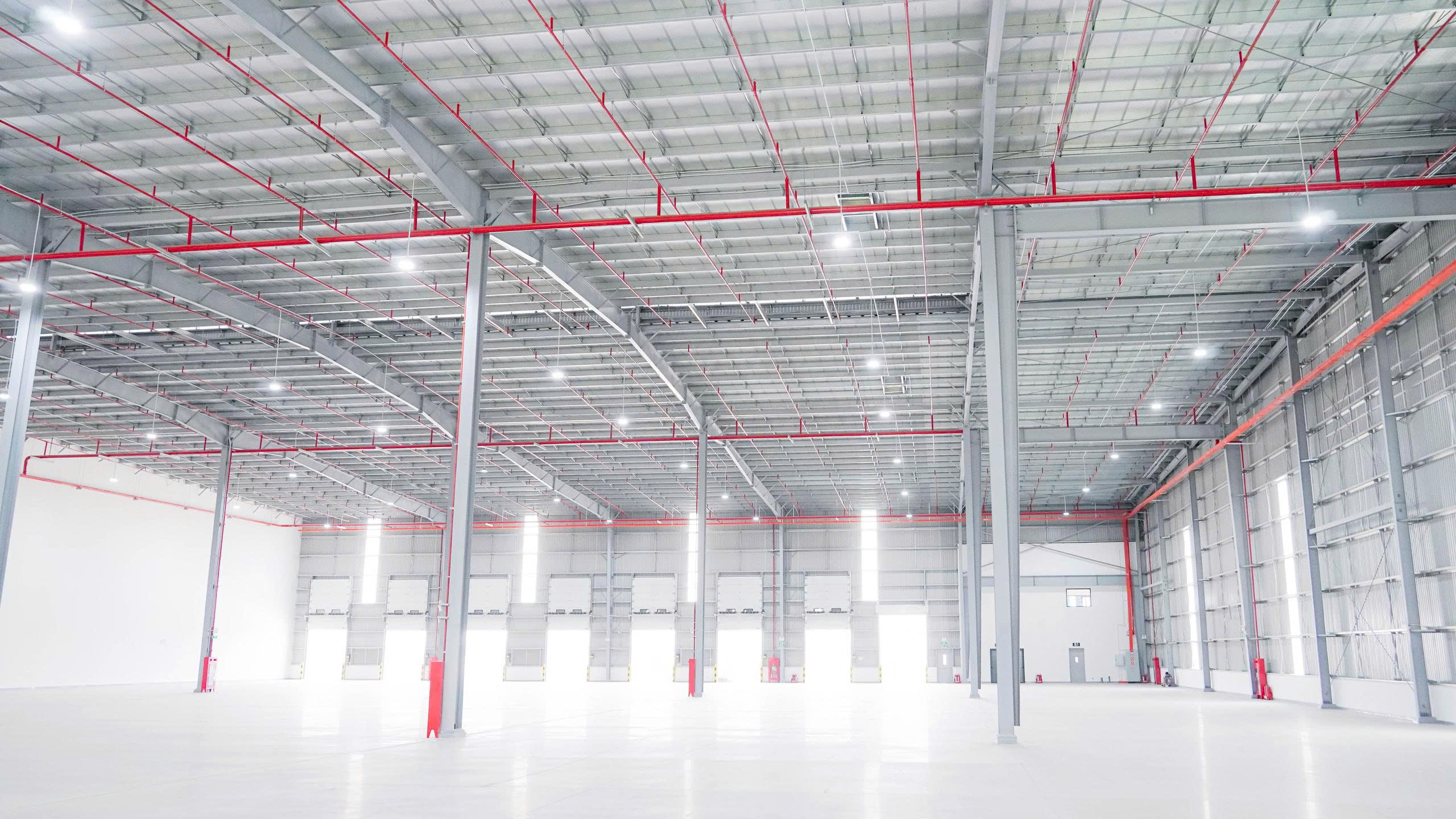
- Optimal Clear Height (9m – 12m): Facilitating the installation of high-bay racking systems to multiply storage density on the same floor footprint.
- Heavy Floor Load Capacity (3 – 5 tons/sqm): Fully meeting the requirements for modern forklift operations and heavy cargo storage.
- Standardized Firefighting and Prevention (PCCC) Systems: Guaranteeing safety and enabling enterprises to seamlessly clear regulatory post-inspection audits.
3. Analyzing Demand Across Key Logistics Corridors
The demand for logistics real estate in Vietnam exhibits distinct differentiation by region, closely tied to the economic corridors that KCN Vietnam focuses on developing:
3.1. Northern Market (Bac Giang, Haiphong)
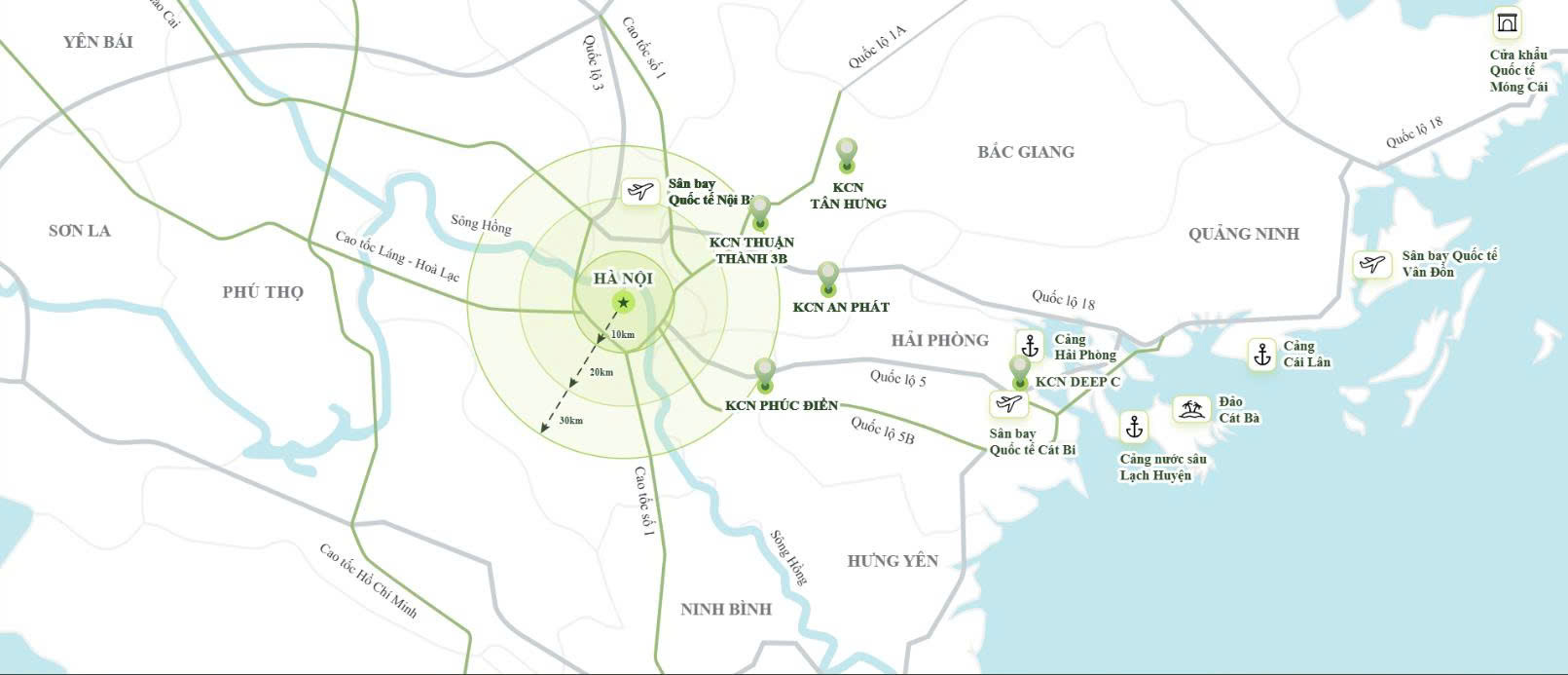
This is the hub of the electronics and high-tech industries. Demand here is highly concentrated on warehouses with stringent technical standards and direct connectivity to the Northern economic corridor leading to the Chinese border. KCN Vietnam’s projects in Bac Giang and Haiphong function as vital transit stations for cross-border component supply chains.
3.2. Southern Market (Dong Nai, Long An)
As the largest consumer and export hub in the country, demand in the South is directed toward large-scale distribution centers and cold storage. Benefiting from proximity to major shipping gateways like the Cai Mep – Thi Vai deep-sea port cluster and Cat Lai Port, KCN Vietnam’s warehouse network in Dong Nai and Long An helps FDI enterprises minimize last-mile transport expenditures.
4. New Standards Shaping the Future of Logistics
To meet the requirements of global giants, logistics real estate is moving toward new benchmarks that KCN Vietnam is pioneering:
- Green Logistics: FDI enterprises now mandate that warehouses achieve green certifications (LEED) and utilize renewable energy. KCN Vietnam has integrated industrial rooftop solar systems to support clients in fulfilling their ESG commitments.
- Smart Warehousing: Infrastructure prepared for AI, IoT, and automation integration helps businesses manage their inventory in real time.
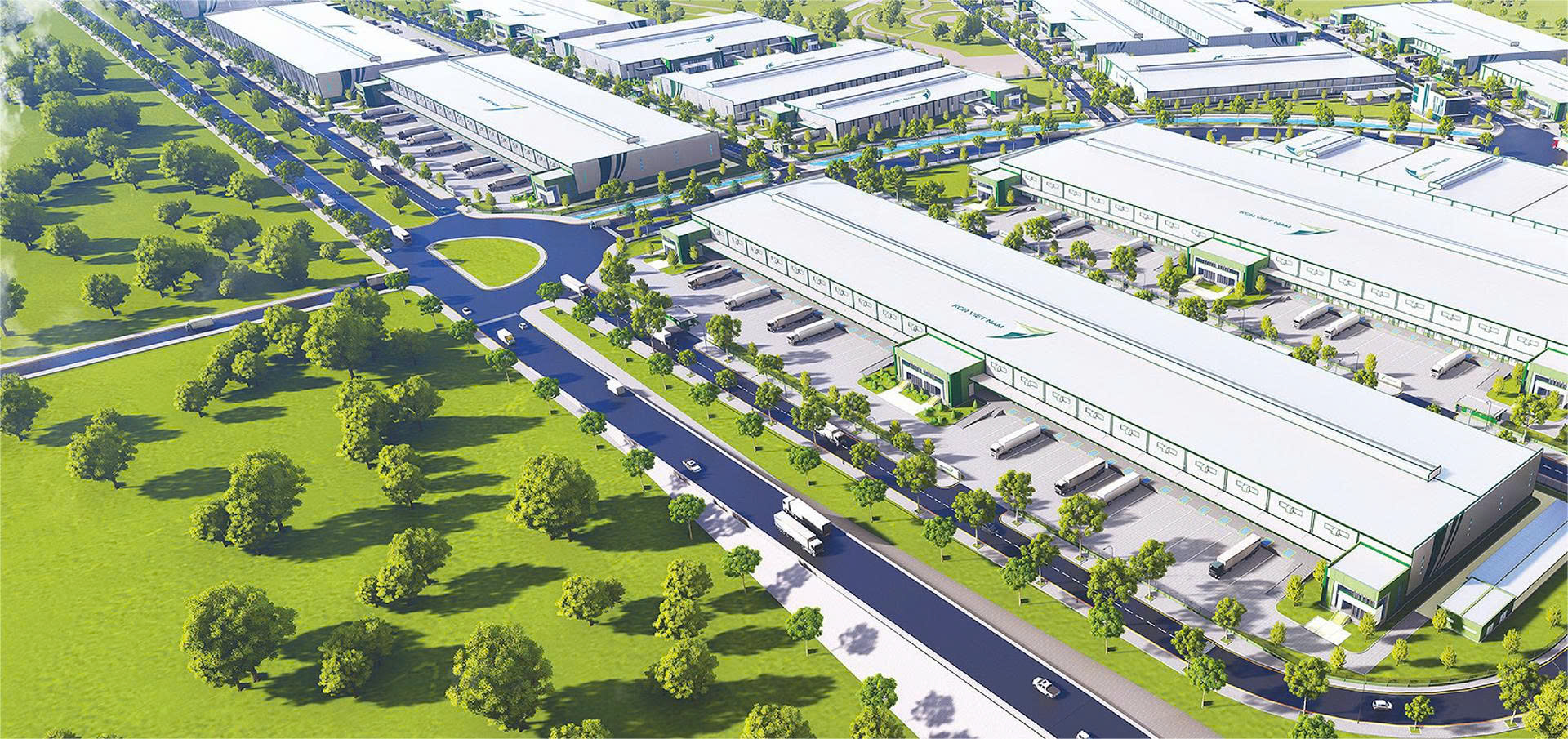
- Integrated Manufacturing – Logistics Model: Co-locating Ready-Built Factories (RBF) and Ready-Built Warehouses (RBW) within the same KCN Vietnam project cluster helps businesses eliminate transit expenses and optimize the entire pipeline from production to distribution.
5. KCN Vietnam: Anticipating Demand with a Sustainable Infrastructure Ecosystem
Why do leading FDI investors choose KCN Vietnam amidst a highly competitive market landscape?
- Strategic Locations: Every KCN Vietnam project is meticulously calculated to sit along vital logistics corridors, situated close to seaports, airports, and major expressways.
- Superior Construction Quality: From standardized flat floors to natural ventilation and lighting layouts, every detail aims to reduce operational costs for tenants.
- Comprehensive Support Services: KCN Vietnam goes beyond leasing floor space by actively accompanying enterprises through legal procedures, customs clearance, and customized Built-to-Suit (BTS) design consultations.
6. Challenges and Opportunities
Despite the massive demand, bottlenecks regarding clean land banks and complex legal procedures remain hurdles for many enterprises. However, partnering with a reputable infrastructure developer with robust financial capacity like KCN Vietnam helps FDI investors eliminate scheduling risks and secure the legal safety of their projects.
Conclusion
Logistics real estate demand in Vietnam is entering a golden era of growth, yet it brings demanding technical standard challenges. Choosing an infrastructure partner like KCN Vietnam not only provides enterprises with an international-standard storage space but also serves as a strategic move to optimize the entire supply chain, fully meeting the green and sustainable standards of the future.
KCN MANAGEMENT AND SERVICES JSC
HEADQUARTER
Level 10 – Saigon View,
117 Nguyen Cuu Van, Gia Dinh Ward,
Ho Chi Minh City, Vietnam
HANOI OFFICE
Suite 1812 – Charmvit Tower,
117 Tran Duy Hung, Yen Hoa Ward,
Hanoi, Vietnam
Hotline: 1900 0089
Tel: +84 28 7777 0089