Industrial Louvers Explained: Why They Are Vital for Warehouse Climate Control
In the high-stakes environment of an industrial warehouse or manufacturing plant, the battle against trapped heat, humidity, and stagnant air is constant. While many facility managers focus on expensive mechanical exhaust systems or HVAC upgrades, one of the most effective, energy-efficient engineering components is often overlooked: the industrial louver
Far more than simple architectural vents, industrial louvers are critical components for passive ventilation. In the tropical climate of Vietnam, where humidity levels frequently exceed 80%, properly designed louvers are essential for preventing equipment oxidation, inventory degradation, and worker heat stress.
1. What are Industrial Louvers?
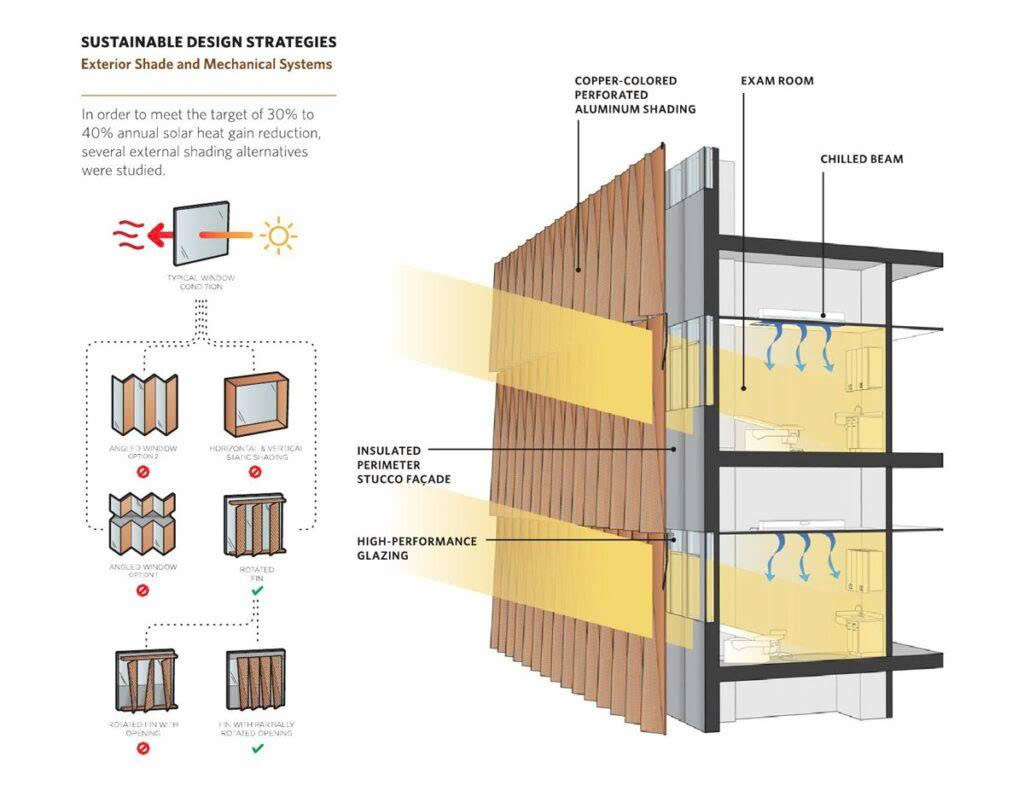
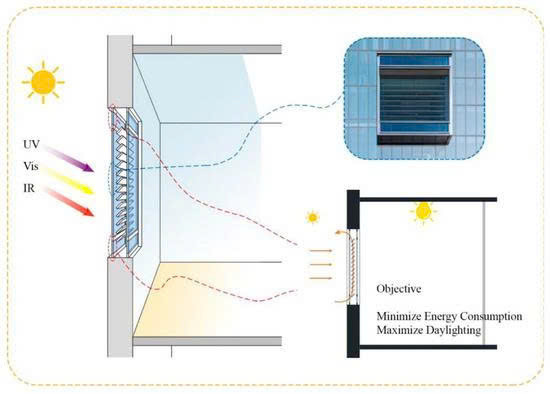
At their core, industrial louvers are specialized ventilation openings consisting of a series of angled blades (slats) fixed into a frame. They are engineered to allow the free movement of air and natural light while effectively blocking rain, dust, and pests from entering the facility.
- Material Science: To survive Vietnam’s corrosive, high-humidity environment, high-quality louvers are manufactured from anodized aluminum or galvanized steel. These materials resist rust and structural fatigue over long operational lifecycles.
- Functional Versatility: Louvers can be categorized based on their mechanism:
- Fixed Blades: Provide constant, reliable airflow.
- Adjustable Blades: Allow facility managers to control the volume of airflow based on seasonal changes.
- Motorized/Automated: These systems can be integrated into a facility’s Smart Building Management System (BMS) to automatically adjust based on internal temperature or smoke detection sensors.
2. Why Louvers are Critical for Vietnam’s Climate
Vietnam’s tropical monsoon climate poses a unique challenge: the “stack effect.” Heat rises, and if trapped at the roof level, it creates a pressurized heat pocket that radiates back down onto machinery and personnel.
- Humidity Mitigation: Stagnant air leads to condensation on cold metal surfaces, which quickly turns into rust, mold, and oxidation. Strategic placement of louvers allows for constant air exchange, keeping internal humidity levels in check.
- Thermal Regulation: By utilizing the stack effect, louvers placed near the roofline allow hot air to escape while lower-level louvers draw in cooler, fresh air. This passive cooling cycle significantly reduces the reliance on energy-intensive mechanical air conditioning, drastically cutting monthly Opex.
3. Operational & Safety Benefits
Investing in high-specification louvers yields dividends across several operational metrics:
- Fire Safety & Smoke Extraction: In the event of a fire, smoke inhalation is the primary cause of casualty. Modern motorized louvers can be programmed to open automatically when smoke is detected, acting as critical smoke-venting systems that clear the air for emergency egress and aid firefighting efforts.
- Inventory Protection: Many goods—such as rubber seals, electronic components, paper products, and metal castings—are highly sensitive to moisture. Industrial louvers ensure the internal environment remains stable, preventing product write-offs caused by mold or oxidation.
- Worker Productivity: Mitigating heat stress is not just a health requirement; it is a productivity imperative. A well-ventilated factory floor maintains worker alertness, reduces fatigue, and lowers the probability of industrial accidents.
4. Engineering Considerations: Integration & Design
Effective ventilation is not just about the quality of the louver; it is about placement.
- Alignment with Prevailing Winds: Engineers must align louver installations with the prevailing wind direction in the specific province. This maximizes the “wind-driven” intake of fresh air.
- Maintenance & Cleaning: An obstructed louver is a failed louver. Regular cleaning schedules are mandatory to prevent dust buildup from restricting airflow, which would otherwise force your mechanical fans to work harder and consume more electricity.
5. KCN Vietnam: Built-In Efficiency
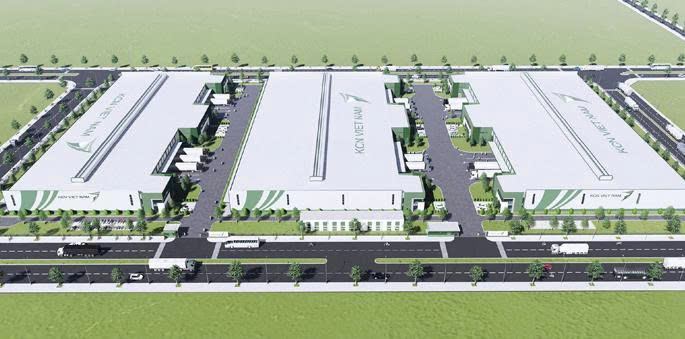
At KCN Vietnam, we believe that environmental control should be a feature of the building, not an add-on. Our “Ready-Built” industrial assets are engineered with ventilation specifications as a default standard.
- High-Spec Design: We utilize high-spec roof monitors and strategically placed wall louvers that optimize cross-ventilation across every square meter of the factory floor.
- ESG & Safety Compliance: By integrating passive ventilation, our facilities help tenants meet international ESG benchmarks for energy efficiency and lower carbon footprints. Furthermore, our designs ensure total compliance with fire safety regulations, providing our tenants with peace of mind and lower insurance premiums.
Conclusion
Small architectural details often have the most massive impacts on long-term operational costs. Industrial louvers are the silent workhorses of the warehouse – protecting your capital assets, ensuring the safety of your personnel, and significantly reducing energy overheads.
Is your facility currently experiencing “sick building” symptoms like trapped heat or localized mold? It may be time for a ventilation audit. Contact KCN Vietnam today to learn more about our high-specification factory solutions, designed from the ground up for optimal environmental and climate control.
KCN MANAGEMENT AND SERVICES JSC
HEADQUARTER
Level 10 – Saigon View,
117 Nguyen Cuu Van, Gia Dinh Ward,
Ho Chi Minh City, Vietnam
HANOI OFFICE
Suite 1812 – Charmvit Tower,
117 Tran Duy Hung, Yen Hoa Ward,
Hanoi, Vietnam
Hotline: 1900 0089
Tel: +84 28 7777 0089