What is a Transit Warehouse? Scaling Supply Chain Velocity with Modern Logistical Hubs
In the fast-paced logistics landscape, speed and agility have eclipsed static storage capacity as the ultimate competitive advantages. As e-commerce platforms, third-party logistics (3PL) providers, and international manufacturers optimize their networks, the traditional practice of holding massive inventory volumes for extended periods is being phased out in favor of leaner frameworks.
To bridge the physical gap between large-scale manufacturing zones and dense urban consumer markets, modern supply chains rely on a critical structural asset: the Transit Warehouse
Rather than serving as a place for long-term storage, a transit warehouse acts as a high-velocity engine designed to accelerate cargo movement, minimize transportation costs, and streamline regional distribution.
1. Defining the Velocity Hub
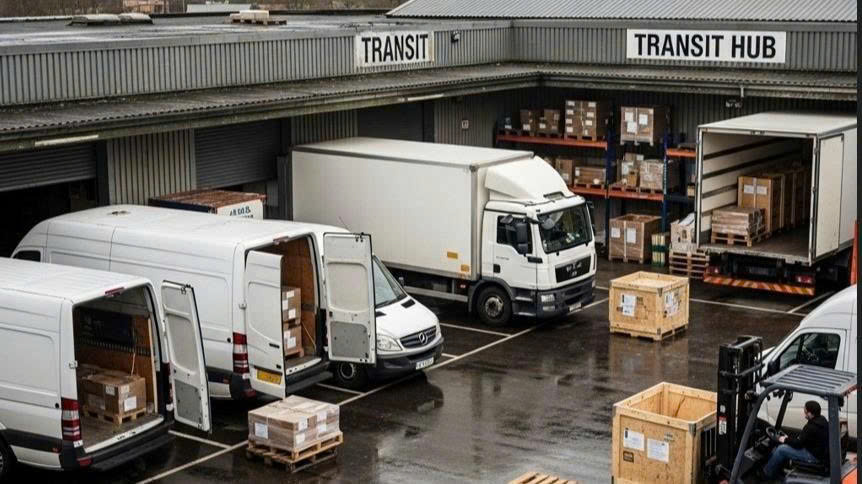
A transit warehouse is a specialized logistical facility where goods are received, sorted, consolidated, and dispatched to their next destination within a highly compressed timeframe.
Unlike traditional warehouses where success is measured by maximum storage capacity over time, a transit warehouse evaluates success through throughput velocity and inventory turnover rates. Goods entering a transit facility rarely sit on pallet racks for weeks or months; instead, they are staged, processed, and loaded onto outbound fleets within 24 to 72 hours.
This infrastructure serves as a vital connecting node between different modes of transport (such as sea-to-land or air-to-land) and coordinates distribution between inter-provincial shipping corridors and local, last-mile delivery teams.
2. Core Functions of a Transit Warehouse
Within a lean supply chain network, a transit warehouse executes several vital operational tasks:
- Consolidation (LTL to FTL): A transit hub receives smaller product batches (Less-Than-Truckload) from multiple regional suppliers or workshops. These individual shipments are instantly merged into a single, unified Full-Truckload (FTL) shipment heading to a primary manufacturing plant or central hub, maximizing container utilization and slashing fuel expenses.
- Deconsolidation (Break-Bulk): Conversely, the facility can accept massive bulk shipments arriving via long-haul freight carriers from major manufacturing centers. The warehouse team unloads the bulk cargo and breaks it down into smaller, customized orders ready for local delivery vans.
- Rapid Sorting & Cross-Route Directing: Operating like a high-speed sorting engine, the facility uses advanced scanning systems to categorize inbound packages by their final geographic destination. Once scanned, goods are routed immediately across the warehouse floor to waiting outbound trucks without ever entering long-term inventory storage.
- Peak-Demand Buffering: During intense seasonal shopping windows or major e-commerce promotional events, transit warehouses serve as temporary holding zones. This short-term buffering prevents regional delivery hubs from becoming overwhelmed and suffering operational bottlenecks.
3. Structural and Technical Requirements
Because transit warehouses run on continuous movement and rapid product rotation, their physical and architectural needs are starkly different from conventional storage facilities.
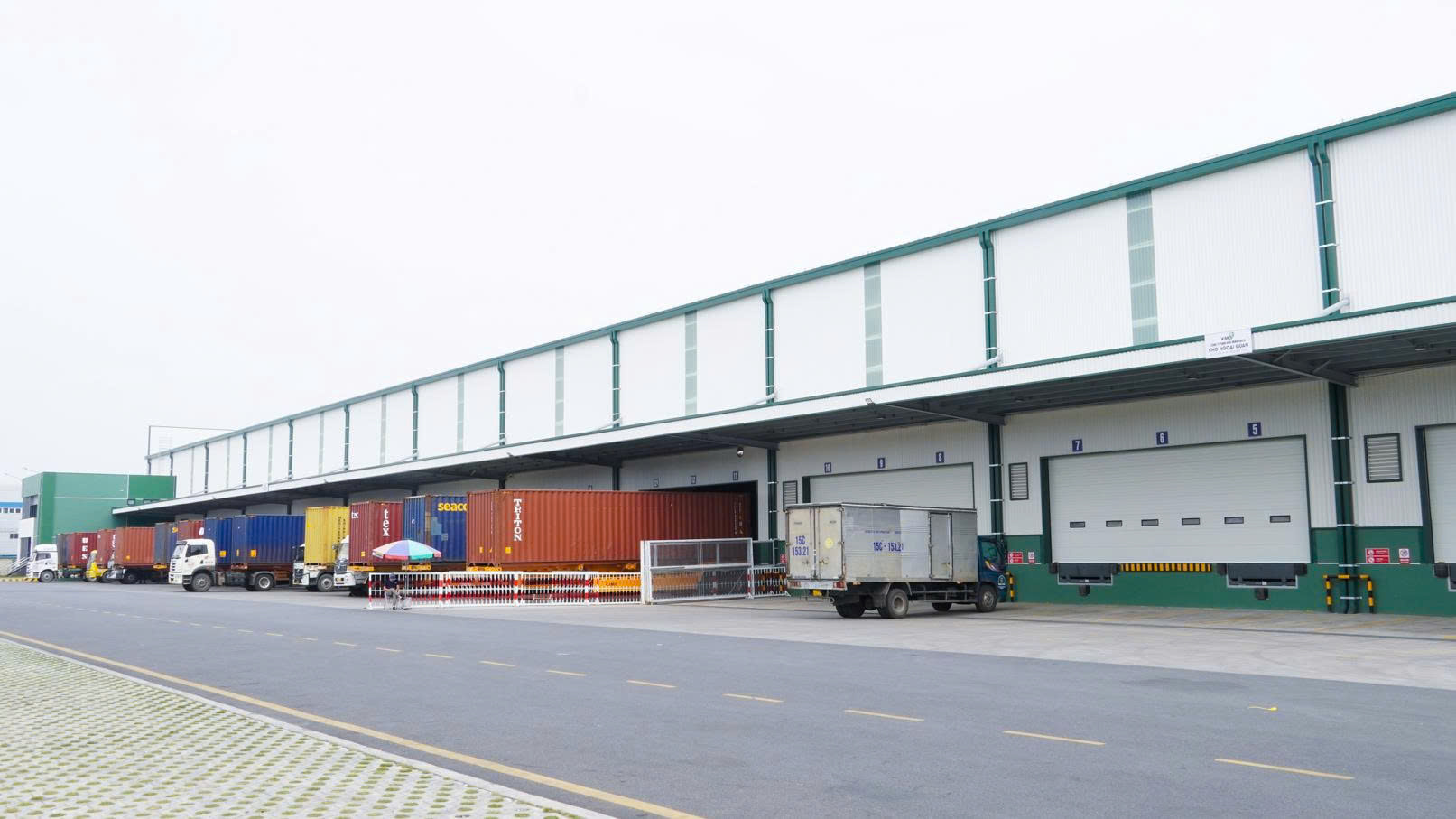
- High Dock Door Allocation: A transit warehouse requires an abundant number of dock doors, often configured in a narrow “I-shape” or “T-shape” layout to enable simultaneous inbound unloading and outbound loading.
- Heavy-Duty, Anti-Dust Flooring: Constant movement from high-frequency reach trucks, automated guided vehicles (AGVs), and heavy pallets requires a floor slab capacity of up to 5 tons/m² treated with anti-wear hardeners to prevent concrete dust generation.
- Excellent Clear Height & Column Spans: Wide, unobstructed bays allow logistics managers to position automated high-speed sorting conveyors, cross-belt sorters, and overhead parcel-scanning gantries flexibly.
- Expansive Truck Aprons: Deep concrete yards and wide turning radiuses are critical to ensure that heavy container trucks and local distribution fleets can maneuver and rotate safely without causing onsite traffic lockups.
4. Standard Warehouse vs. Transit Warehouse
| Operational Metric | Standard Storage Warehouse | Modern Transit Warehouse |
| Primary Metric | Storage capacity (Cubic meters) | Turnover rate & Velocity (Throughput) |
| Average Holding Time | Weeks, months, or quarters | 24 to 72 hours maximum |
| Racking Preference | High-density vertical Selective or VNA racks | Wide open floor lanes, automated sortation lines |
| Dock Door Allocation | Moderate | High (Extensive inbound and outbound arrays) |
5. KCN Vietnam: Future-Proof Gateways for High-Velocity Logistics
To establish an efficient transit network, companies need strategically positioned facilities with premium technical blueprints. KCN Vietnam supports high-performance logistics chains with our state-of-the-art Ready-Built Warehouses (RBW) and Ready-Built Factories (RBF).
- Elite Strategic Positioning: Our assets are located at the crossroads of Vietnam’s critical economic corridors – Haiphong and Bac Ninh in the North, and Ho Chi Minh CIty, Dong Nai and Long An in the South. This prime placement provides logistics operators with immediate access to deep-sea container ports, international airports, and national highway networks, minimizing transit times.
- Precision-Engineered Technical Architecture: KCN Vietnam properties deliver heavy-duty floor loads of up to 3 tons/m², excellent clearance heights, and high dock-to-floor ratios. These features provide the ideal physical foundation to set up advanced 3PL sorting centers, regional consolidation hubs, or cross-docking assets.
Conclusion
A transit warehouse is the heartbeat of a lean, agile supply chain network. By shifting the operational focus from long-term storage to high-speed movement, companies can optimize transportation efficiency, cut inventory carrying costs, and accelerate their go-to-market speed. Partnering with a premier industrial real estate developer like KCN Vietnam ensures your logistics operations are anchored in world-class facilities designed to keep your business moving forward.
KCN MANAGEMENT AND SERVICES JSC
HEADQUARTER
Level 10 – Saigon View,
117 Nguyen Cuu Van, Gia Dinh Ward,
Ho Chi Minh City, Vietnam
HANOI OFFICE
Suite 1812 – Charmvit Tower,
117 Tran Duy Hung, Yen Hoa Ward,
Hanoi, Vietnam
Hotline: 1900 0089
Tel: +84 28 7777 0089