Storm-Proofing Your Warehouse: Essential Maintenance Strategies for Vietnam’s Rainy Season
In the tropical climate of Vietnam, the rainy season (typically May through October) is the single greatest threat to industrial asset integrity. For manufacturers and logistics operators, a monsoon downpour is not merely an inconvenience; it is a high-stakes risk to inventory value, machinery lifespan, and business continuity.
Water damage, mold, electrical short circuits, and disrupted supply chain schedules can result in catastrophic financial losses. Safeguarding your facility is not an optional cost—it is a critical investment in your operational resilience.
1. The 360-Degree Inspection: Identifying Weak Points
To effectively protect your facility, you must conduct a thorough audit of your infrastructure before the peak of the monsoon. Focus your attention on these four critical zones:
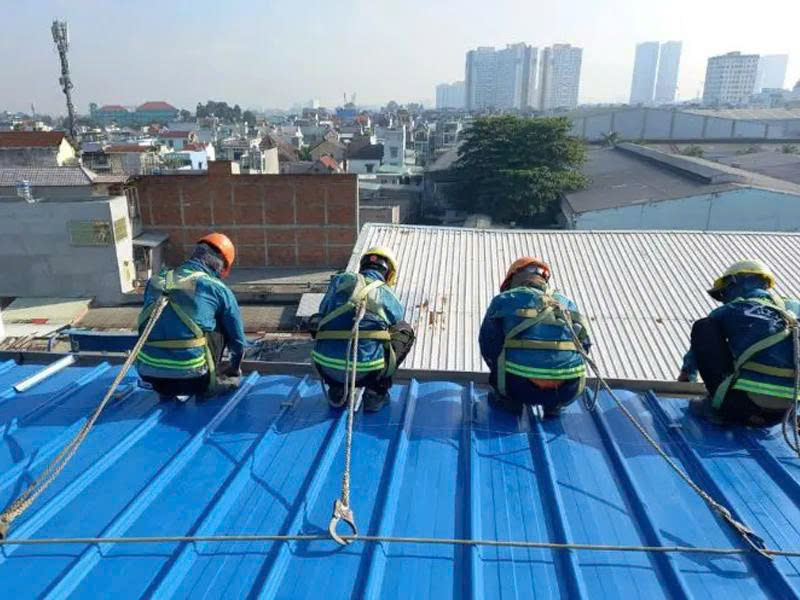
- Roof & Gutter Integrity: Industrial roofs are susceptible to micro-cracks, loose fasteners, and the accumulation of wind-blown debris. Even a small obstruction in a gutter can turn a manageable rain shower into a cascading internal leak.
- Drainage & Foundation Systems: External drains are the primary defense against floor-level flooding. If these are clogged with silt or vegetation, water will back up and seep into your building, risking foundation erosion and damaging inventory stored at ground level.
- Electrical & IT Safety: Moisture-induced short circuits are a leading cause of warehouse fires. Inspect all power conduits, junction boxes, and server rooms for signs of condensation or leakage.
- Perimeter Security: Inspect wall cladding seals, flashing, and loading bay seals. Wind-driven rain can penetrate surprisingly small gaps, causing significant damage to sensitive cargo stored near walls.
2. Implementing a Storm-Proofing Maintenance Protocol
A proactive maintenance schedule is your best defense against extreme weather.
- Pre-Season Audit: Perform a comprehensive facility walkthrough 30 days before the peak monsoon. Document every potential stress point with high-resolution photography for reference.
- The “Clear & Clean” Strategy: This is non-negotiable. Ensure that all roof gutters, downspouts, and perimeter drainage channels are professionally cleaned. Remove all vegetation, debris, and sediment that could restrict water flow.
- Emergency Sealing: If you identify micro-cracks or potential ingress points on the roof, apply industrial-grade waterproof membranes or high-performance sealants immediately. Do not wait for the first rain to test your roof’s integrity.
- Strategic Inventory Elevating: As a best practice, elevate inventory off the floor using pallets or heavy-duty racking. In low-lying zones, prioritize high-value or moisture-sensitive goods for upper-level storage.
3. Engineering for Resilience: Modern vs. Legacy Facilities
Facility design is the defining factor in storm survival. Legacy industrial buildings often struggle with inadequate drainage and aging seals. In contrast, modern facilities are engineered with advanced hydro-dynamics in mind.
Modern high-spec warehouses feature optimized gutter capacities and thermal-seal roofing technology that are designed to handle peak rainfall volumes calculated from 10–20 year storm-cycle data. These designs ensure that even in the most intense tropical downpours, water is diverted away from the structure before it has the opportunity to ingress.
4. Contingency Planning: Operational Continuity
Even the best-maintained facility requires a safety net. Ensure your team is prepared for extreme events:
- Emergency Response Kits: Keep absorbent materials, sandbags, and portable heavy-duty pumps on-site.
- Communication Protocol: Establish a clear chain of command. Know exactly who to call—whether it is your dedicated facility management team or a third-party maintenance contractor—the moment a leak or ingress is detected.
- Documentation for Insurance: In the event of extreme weather, thorough documentation is essential for insurance claims. Always maintain updated records of your facility’s pre-storm condition and routine maintenance logs.
5. KCN Vietnam: Built to Withstand
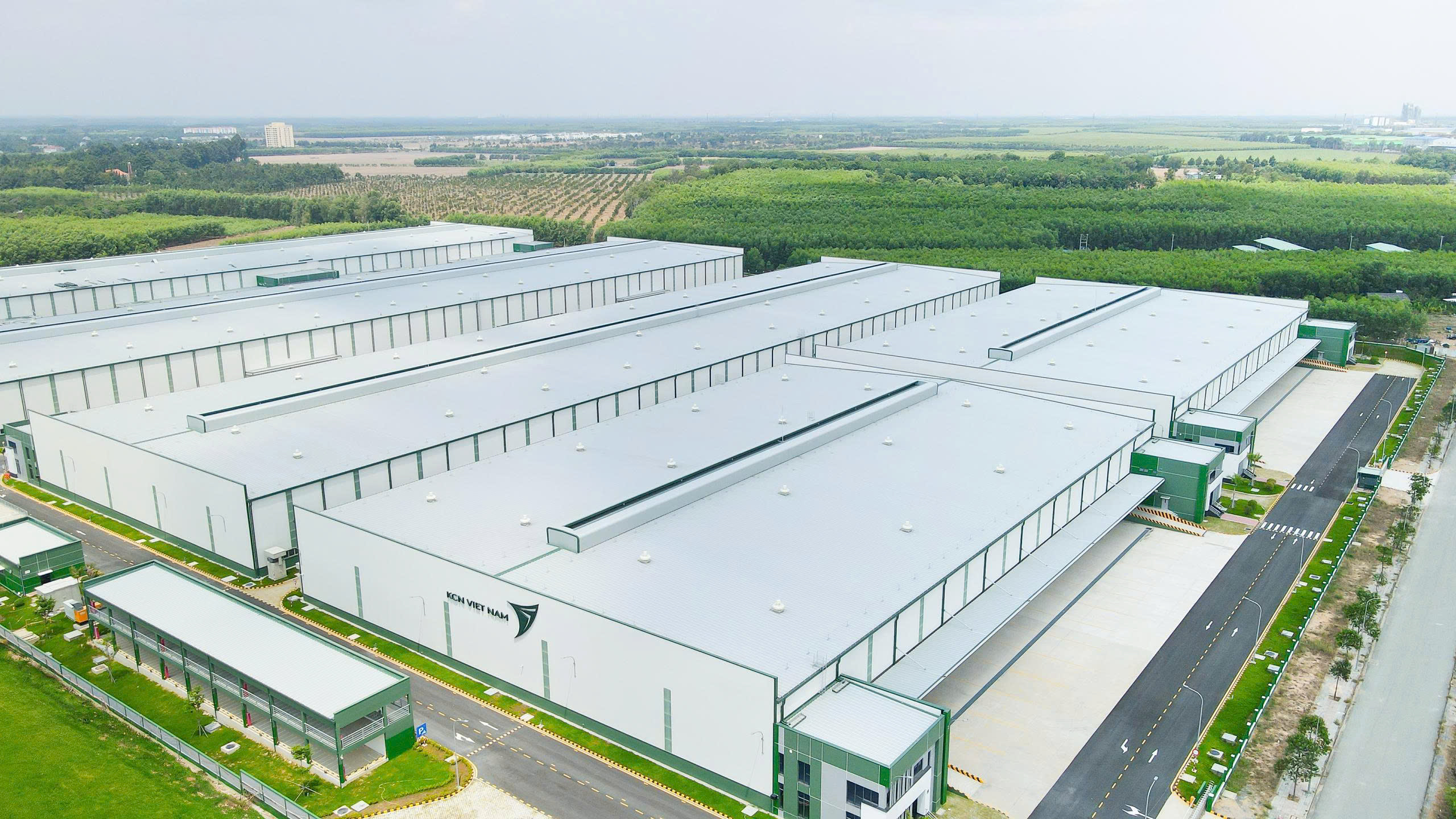
At KCN Vietnam, we understand that true facility value is proven during the harsh weather conditions. Our properties are not just built to look professional; they are engineered to endure.
- Engineered for Resilience: We ensure that our roof load capacities and drainage volumes meet standard local requirements.
- Proactive Facility Management: We believe that infrastructure maintenance should be a standard service. Our professional management teams perform regular, expert inspections of guttering, roofing, and drainage systems, ensuring your facility is “storm-ready” year-round without the stress of manual coordination.
- Insurance-Friendly Standards: By strictly adhering to international standards for water resistance and fire protection, our assets help tenants secure better commercial property insurance premiums, directly lowering your total cost of ownership.
Conclusion
The rainy season is an inevitable reality in Vietnam, but it does not have to be a threat to your production flow. By shifting your mindset from “reactive repairs” to “proactive asset resilience,” you protect your inventory and your company’s reputation.
Is your facility ready for the next downpour? Contact KCN Vietnam today to explore our high-resilience properties, built to keep your business running smoothly.
KCN MANAGEMENT AND SERVICES JSC
HEADQUARTER
Level 10 – Saigon View,
117 Nguyen Cuu Van, Gia Dinh Ward,
Ho Chi Minh City, Vietnam
HANOI OFFICE
Suite 1812 – Charmvit Tower,
117 Tran Duy Hung, Yen Hoa Ward,
Hanoi, Vietnam
Hotline: 1900 0089
Tel: +84 28 7777 0089