Sustainable Industrial Production: Driving Dong Nai’s Green Transition
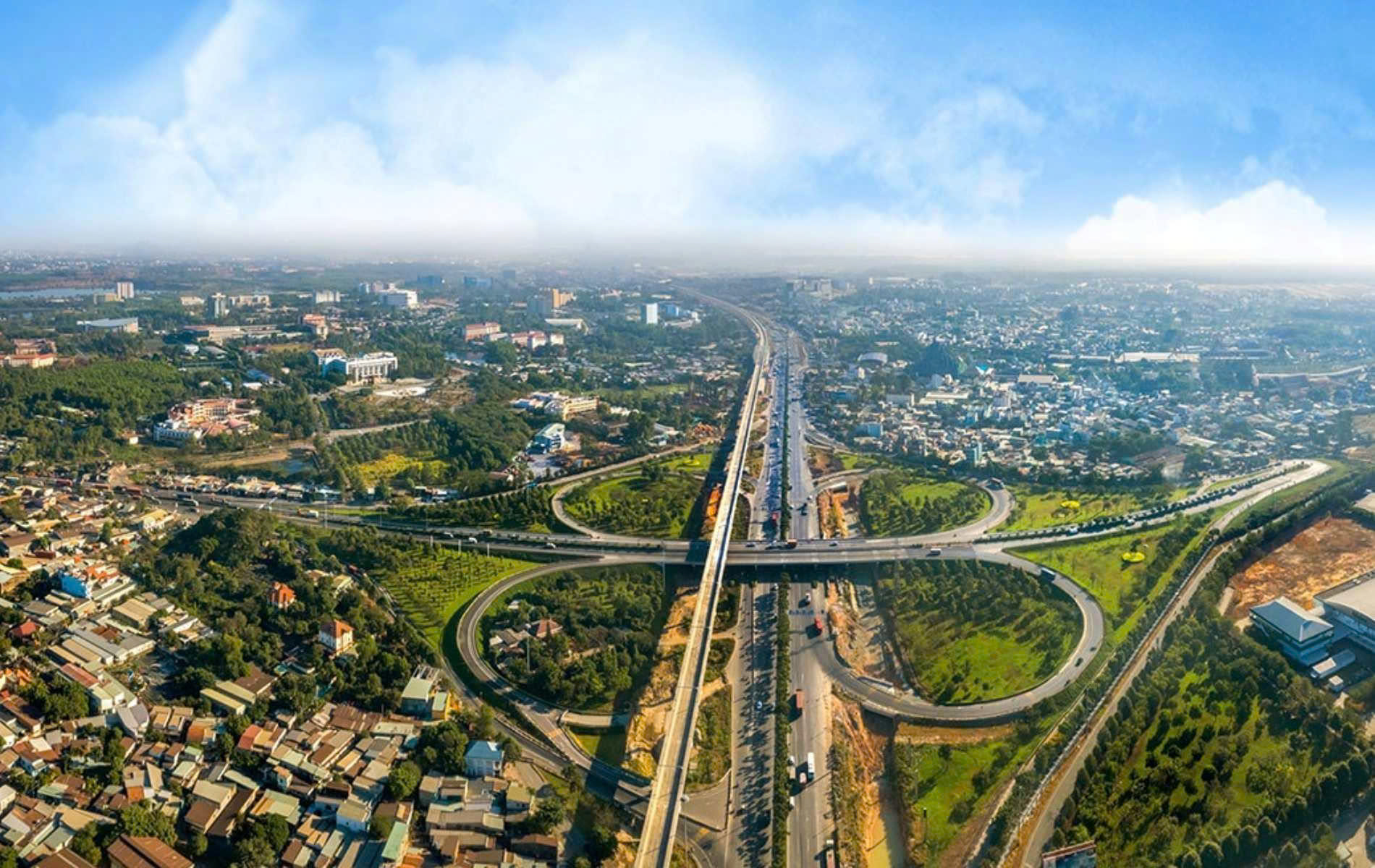
Dong Nai province has long been recognized as a cornerstone of Southern Vietnam’s industrial economy. However, the regional manufacturing landscape is undergoing a major structural pivot. The historical focus on rapid, high-emission industrial growth is fast being replaced by a strict mandate for Sustainable Industrial Production.
As provincial authorities aggressively implement greener manufacturing laws in line with national climate targets, entering or expanding within this vital hub requires a sophisticated approach to eco-friendly site selection and infrastructure.
1. The Catalysts for Dong Nai’s Green Transformation
The acceleration toward green manufacturing in Dong Nai is driven by three powerful forces:
- The Regulatory Push: Vietnam’s national commitment to achieving Net Zero emissions by 2050 is rapidly trickling down into localized provincial mandates. For manufacturers in Dong Nai, this means facing significantly stricter enforcement regarding wastewater treatment standards, mandatory carbon emissions reporting, and tighter emission caps.
- The Eco-Industrial Park (Eco-IP) Roadmap: Dong Nai is actively working on a provincial roadmap to convert its massive, established legacy industrial parks into certified eco-industrial zones. These next-generation zones prioritize circular industrial economies, where waste from one factory becomes raw input for another.
- FDI Requirements and Supply Chain Pressure: Top-tier global brands—particularly in electronics, semiconductors, and premium textiles—now face intense global ESG pressures. Consequently, they refuse to lease production space that cannot offer access to renewable energy or prove compliance with strict environmental safeguards.
2. Core Pillars of Sustainable Industrial Production
To successfully transition to a sustainable model, an industrial facility must anchor its operations on three core engineering pillars:
Renewable Energy Integration
Relying entirely on traditional, coal-heavy national power grids leaves businesses exposed to both carbon penalties and rising industrial electricity tariffs. Modern green factories utilize hybrid energy systems, maximizing the installation of rooftop solar photovoltaic (PV) arrays to power daily assembly lines cleanly and efficiently.
Resource Circulation and Closed-Loop Systems
Water is a finite resource under heavy strain in major industrial corridors. Sustainable manufacturing demands advanced, on-site wastewater treatment and closed-loop recycling setups. This infrastructure minimizes daily groundwater extraction and ensures that process water is purified and safely reused within the facility.
Carbon Reduction via Passive Architectural Design
True sustainability begins with smart building physics. By utilizing advanced insulation materials, eco-friendly wall panels, and high-efficiency passive ventilation systems—such as strategically placed industrial louvers—factories drastically reduce their dependence on energy-intensive mechanical HVAC systems. This lowers overall cooling demands and shrinks the building’s operational carbon footprint.
3. Overcoming the Transition Challenges
Transitioning an industrial operation is highly complex, and businesses often face major obstacles:
- Balancing High CapEx with Long-Term OpEx: Setting up sustainable systems requires an initial capital outlay. However, forward-thinking financial directors view this as a high-ROI strategy; lowering daily water and power consumption significantly cuts down monthly operating costs (OpEx) over time, insulating the company from future utility price hikes.
- The Legacy Compliance Trap: Many expanding firms attempt to retrofit older, legacy facilities to meet modern environmental standards. This approach often leads to severe administrative bottlenecks, unexpected structural reinforcement costs, and lengthy delays in securing updated fire safety and environmental permits.
- The Green Logistics Link: True sustainability extends beyond the factory walls to the entire supply chain. Selecting a facility with a tight logistical radial reach—meaning close proximity to major transport nodes like the upcoming Long Thanh International Airport and the Cai Mep – Thi Vai deep-sea port cluster—is vital to minimizing transportation-related carbon emissions.
4. Sustainable Parameters: An Operational Comparison
| Operational Focus | Traditional Production Setup | Sustainable Production Setup |
| Energy Consumption | Highly dependent on the standard grid; vulnerable to tariff hikes | Buffered by rooftop solar arrays and high-performance insulation |
| Water & Waste Management | Linear approach (unoptimized consumption and standard discharge) | Circular approach (closed-loop recycling and strict on-site treatment) |
| Regulatory Risk | Vulnerable to compliance fines under tightening environmental laws | Future-proofed against evolving provincial green regulations |
| Global Supply Chain Value | Declining appeal to top-tier global corporate buyers | Highly competitive; preferred choice for premier FDI partnerships |
5. KCN Vietnam: Your Partner for Sustainable Expansion in Dong Nai
Navigating the complexities of a green expansion while trying to hit strict market deadlines can create immense friction. KCN Vietnam eliminates this operational risk by delivering premium, sustainable industrial real estate solutions within Dong Nai’s primary economic zones.
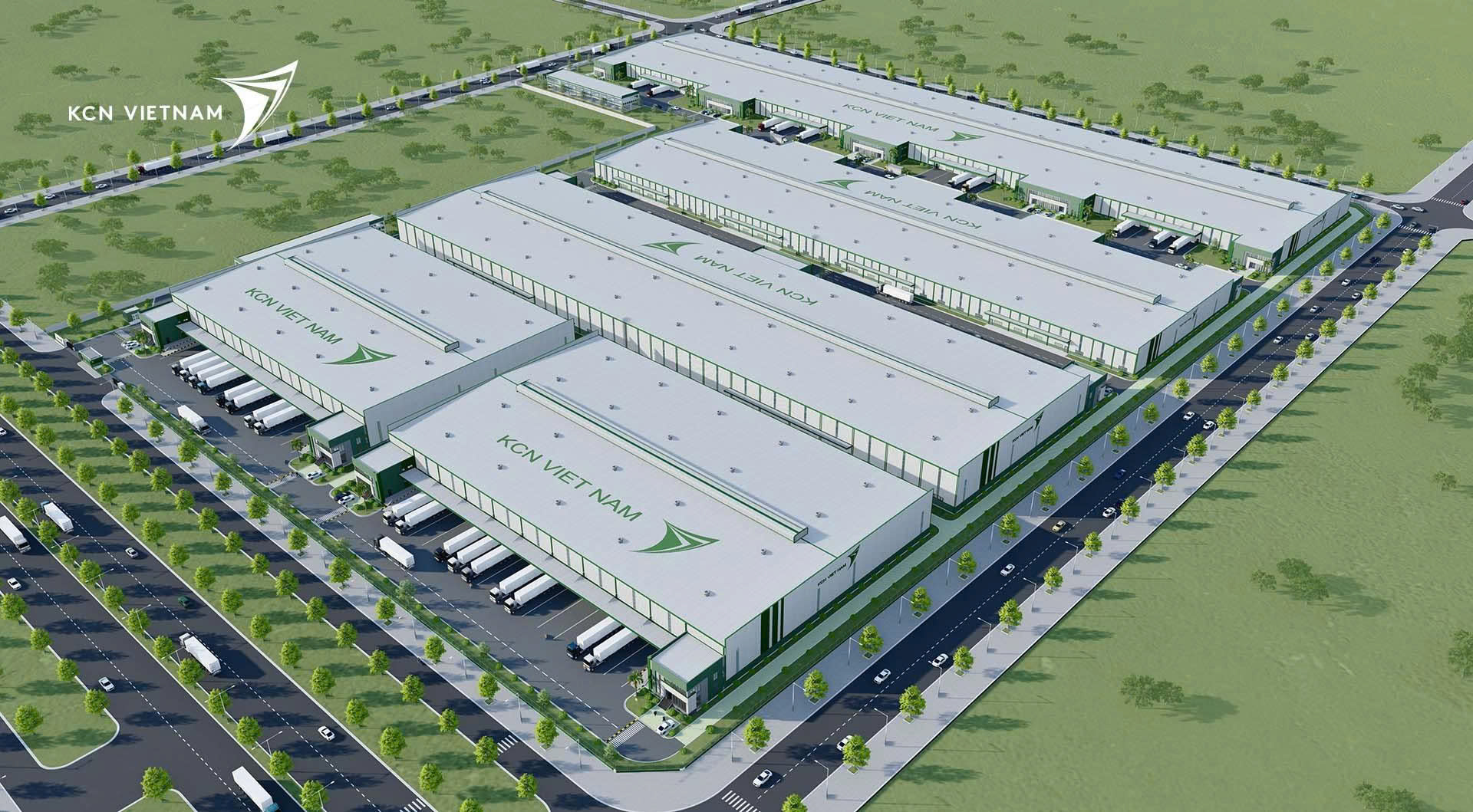
Our high-specification Ready-Built Factories (RBF) and Ready-Built Warehouses (RBW) are engineered with sustainability at their core. Choosing KCN Vietnam means moving into a permit-ready, legally secure, and highly efficient facility that drastically lowers your total cost of ownership and connects your business seamlessly to the future of green manufacturing.
Conclusion
Sustainable production in Dong Nai has rapidly transitioned from a corporate branding goal to a baseline requirement for operational survival. Aligning your production footprint with energy-efficient, future-proofed industrial assets is the single most effective way to secure a position in the modern global supply chain.
Are you ready to de-risk your green transition and establish an ESG-compliant footprint in Dong Nai? Contact KCN Vietnam today to review your manufacturing infrastructure requirements and tour our premium, ready-built sustainable industrial spaces.
KCN MANAGEMENT AND SERVICES JSC
HEADQUARTER
Level 10 – Saigon View,
117 Nguyen Cuu Van, Gia Dinh Ward,
Ho Chi Minh City, Vietnam
HANOI OFFICE
Suite 1812 – Charmvit Tower,
117 Tran Duy Hung, Yen Hoa Ward,
Hanoi, Vietnam
Hotline: 1900 0089
Tel: +84 28 7777 0089