Warehouse Rental in Dong Nai 2026: Costs & Advantages
Dong Nai is entering a breakthrough phase in logistics as Long Thanh International Airport approaches operational status. This article analyzes Dong Nai warehouse rental costs in 2026, international standards, and strategic location choices to help FDI enterprises optimize operations, reduce Total Cost of Ownership (TCO), and stay ahead of the new supply chain wave.
Dong Nai Logistics Vision for the 2026–2027 Period
The 2026–2027 period marks a crucial transition for the Southeast region as Long Thanh International Airport enters its final completion phase and prepares for operations.
Within this landscape, Dong Nai is no longer just a “satellite industrial zone” of Ho Chi Minh City, but is progressively transforming into a strategic logistics hub thanks to:
- Direct integration of air, road, and sea transport
- Rapid access to Cat Lai Port and the Cai Mep – Thi Vai port cluster
- Benefits from the expanding inter-regional highway network
For FDI enterprises, renting a warehouse in Dong Nai at this juncture is not merely about finding floor space; it is about securing a strategic position in the future supply chain.
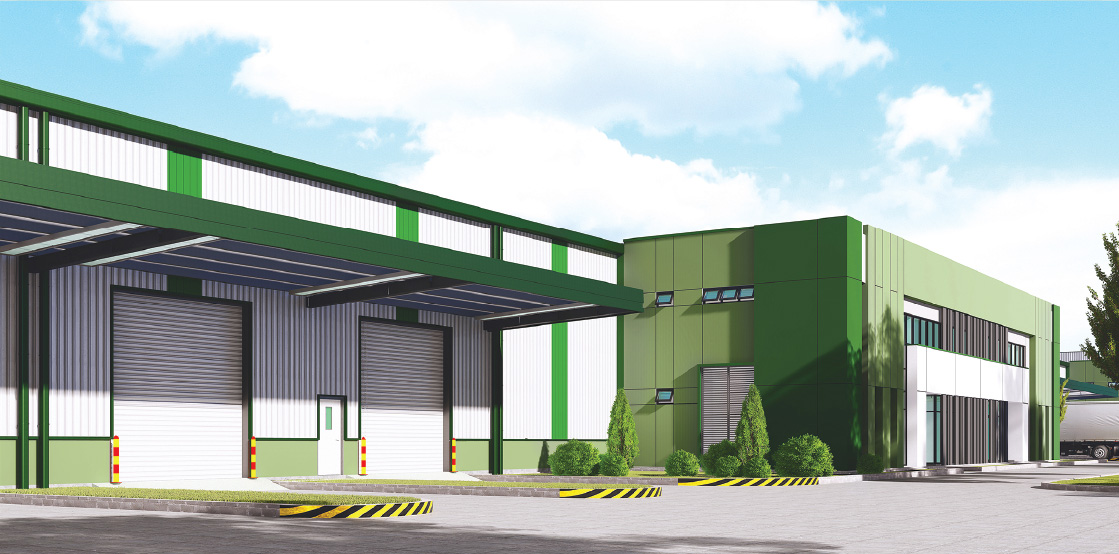
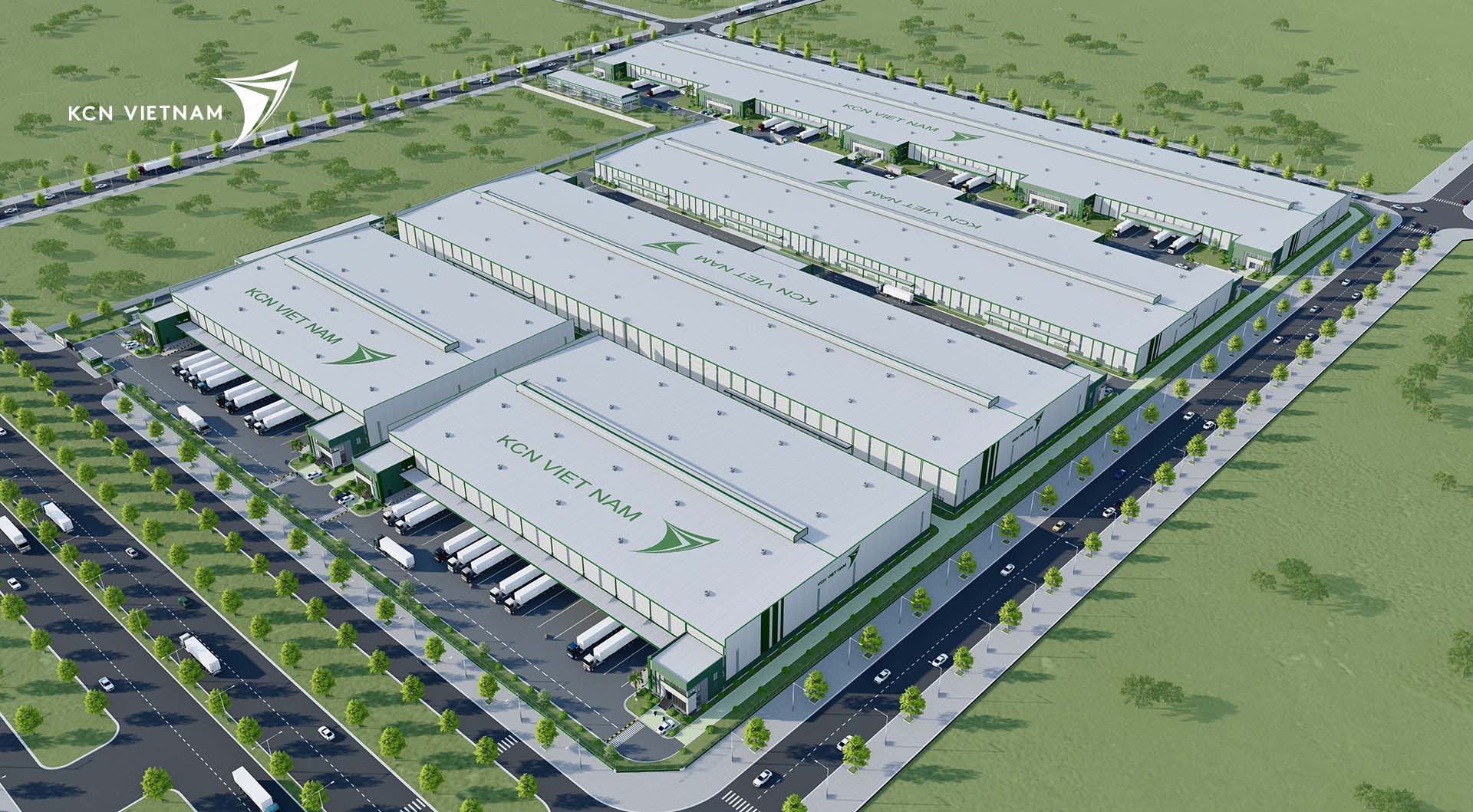
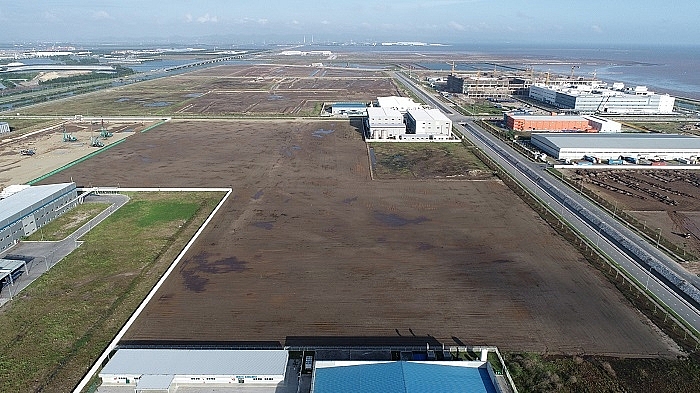
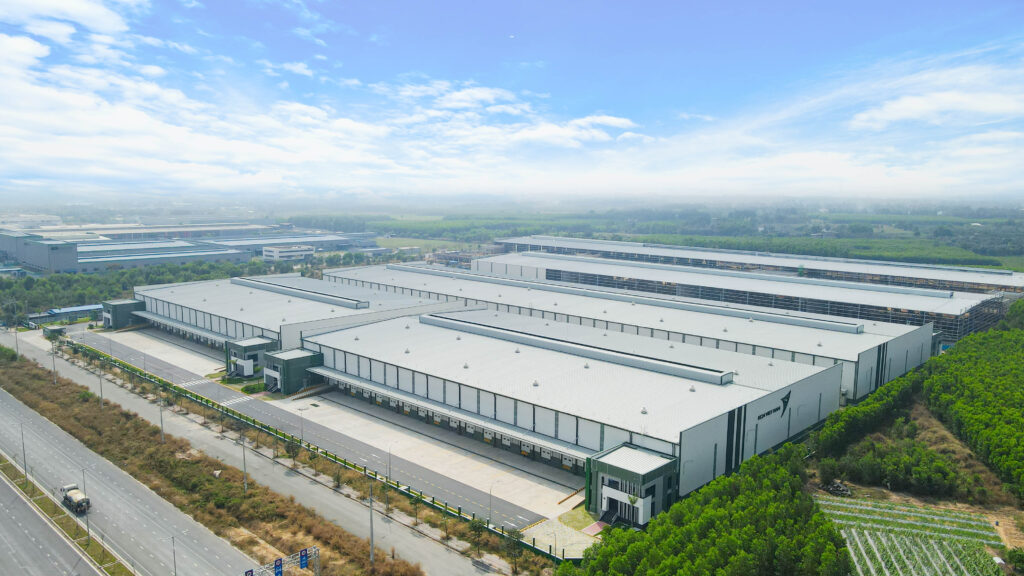
Anticipating this wave, KCN Vietnam has officially broken ground on a 100,000 sqm ready-built warehouse project certified by LEED in Nhon Trach 6D, supplying high-quality infrastructure to the market for 2026.
Why is the Demand for Warehouse Rental in Dong Nai Surging?
The growth of the Dong Nai warehouse market does not stem from a single factor but is the result of a synergistic effect combining infrastructure development, FDI inflows, and the restructuring of global supply chains. Below are the 5 core trends driving this demand.
The “Airport Proximity” Effect
The establishment of Long Thanh International Airport (as it nears completion and prepares for operations) is triggering a wave of warehouse relocation across the Southern region.
What is changing?
- In the past: Warehouses were heavily concentrated in Ho Chi Minh City (Binh Tan, Thu Duc).
- Now & the near future: Shifting toward Dong Nai – particularly Nhon Trach and Long Thanh.
The core reasons:
- Reducing lead times for air cargo (electronics, components, high-value goods).
- Avoiding urban logistics congestion within Ho Chi Minh City.
- Optimizing long-term operational costs.
For FDI businesses, locating a warehouse near the airport is no longer just an “advantage”; it is rapidly becoming a new operational standard.
Expanding Inter-regional Transportation Infrastructure
Dong Nai benefits directly from strategic infrastructure projects such as the Ho Chi Minh City Ring Road 3 and the Ben Luc – Long Thanh Expressway. Although not yet entirely complete, sections of these routes are being opened sequentially, driving visible changes:
Real impact on businesses:
- Shortened inter-regional transit times.
- Reduced fuel and waiting costs.
- Enhanced delivery schedule stability.
More importantly, since logistics costs typically represent a substantial portion of corporate expenditures, optimizing warehouse locations has a direct impact on long-term financial performance.
The “China +1” Wave Accelerating Warehouse Demand
Vietnam remains an attractive destination in the production diversification strategies of global corporations. Dong Nai stands out due to its large industrial land bank, proximity to the economic engine of Ho Chi Minh City, and seamless connection to seaports and airports.
What demands does this create?
- Raw material transit warehouses.
- Finished goods export warehouses.
- Distribution Centers serving the Southeast Asian region.
Particularly, sectors like electronics, precision engineering, and 3PL logistics exhibit a high intensity of warehouse utilization, driving a sharp increase in leasing demand.
Pressures from E-commerce & Modern Distribution Models
The growth of e-commerce and omnichannel retailing is completely reshaping how businesses utilize warehouses. Previously, a warehouse was merely for storage; today, it functions as a fulfillment center.
With new requirements regarding rapid order processing speed, technology integration (such as WMS and automation), and a location close to major traffic arteries, the demand for high-standard warehouses is rising steeply, gradually phasing out obsolete and makeshift warehouses.
ESG Pressures & Global Standards
An often-understated factor heavily influencing the warehouse leasing decisions of FDI firms is the rigorous requirements from EU/US markets, including:
- Carbon footprint tracking
- Sustainable supply chains
- ESG reporting
Impact on warehouse selection: Prioritizing warehouses equipped with rooftop solar power, energy-efficient designs, and green certifications such as LEED or EDGE has become a major competitive advantage.
Popular Warehouse Models in Dong Nai
To optimize capital flows, investors must select a warehouse model that aligns with their long-term strategy:
- Ready-Built Warehouses (RBW): This is a highly popular model in modern industrial parks, enabling businesses to achieve rapid market entry. These warehouses are designed according to modern industrial standards and handed over immediately with comprehensive legal compliance.
- Built-to-Suit Warehouses (BTS): Tailored for large corporations requiring specific layouts for automated sorting systems or specialized cold storage.
- Smart & Sustainable Warehouses: As carbon barriers tighten globally, warehouses achieving LEED Gold certification (such as the project in Nhon Trach 6D) help enterprises fulfill ESG criteria and carbon tracking demands within international supply chains.
Technical Specifications of Modern Industrial Warehouses
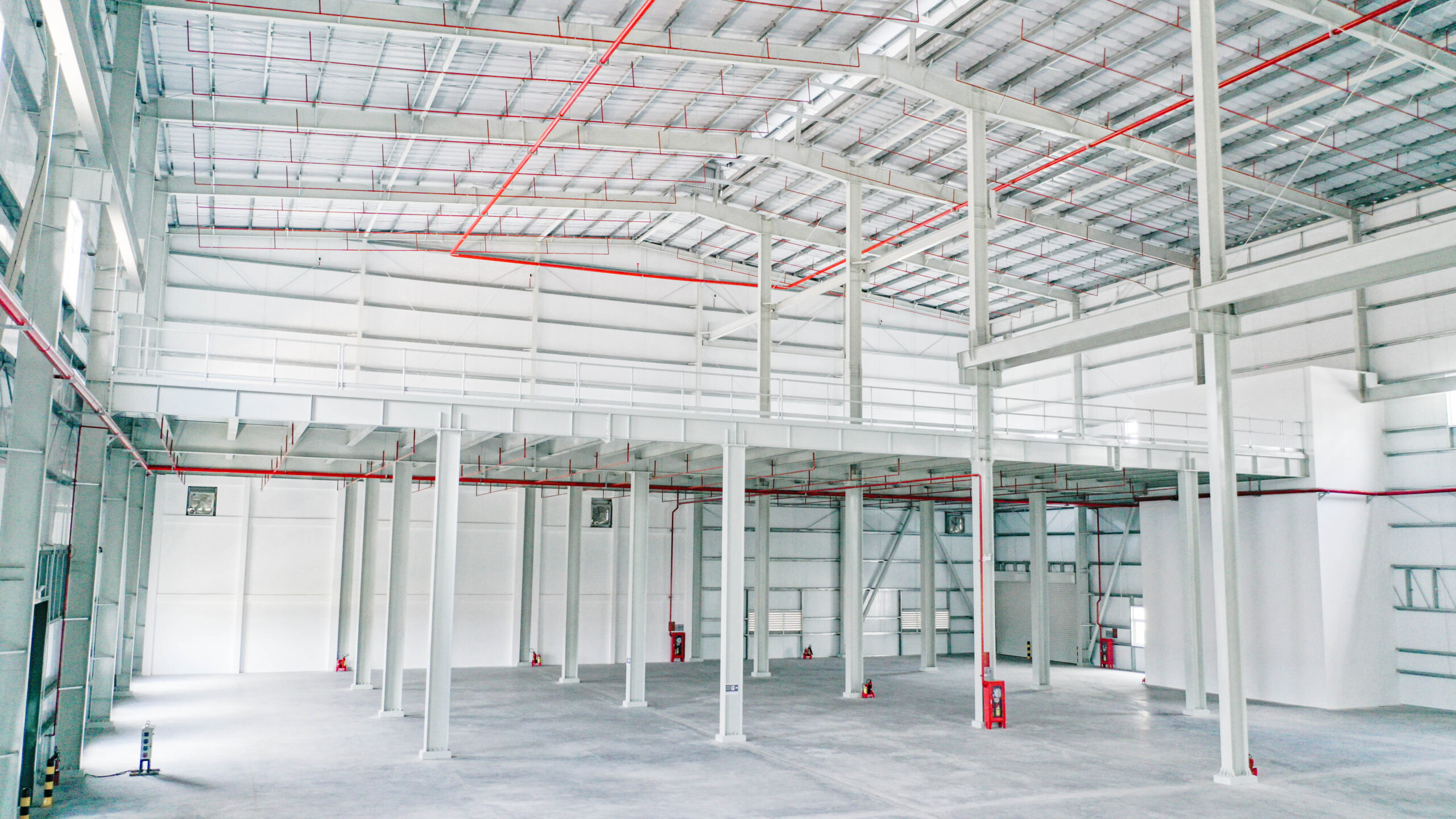
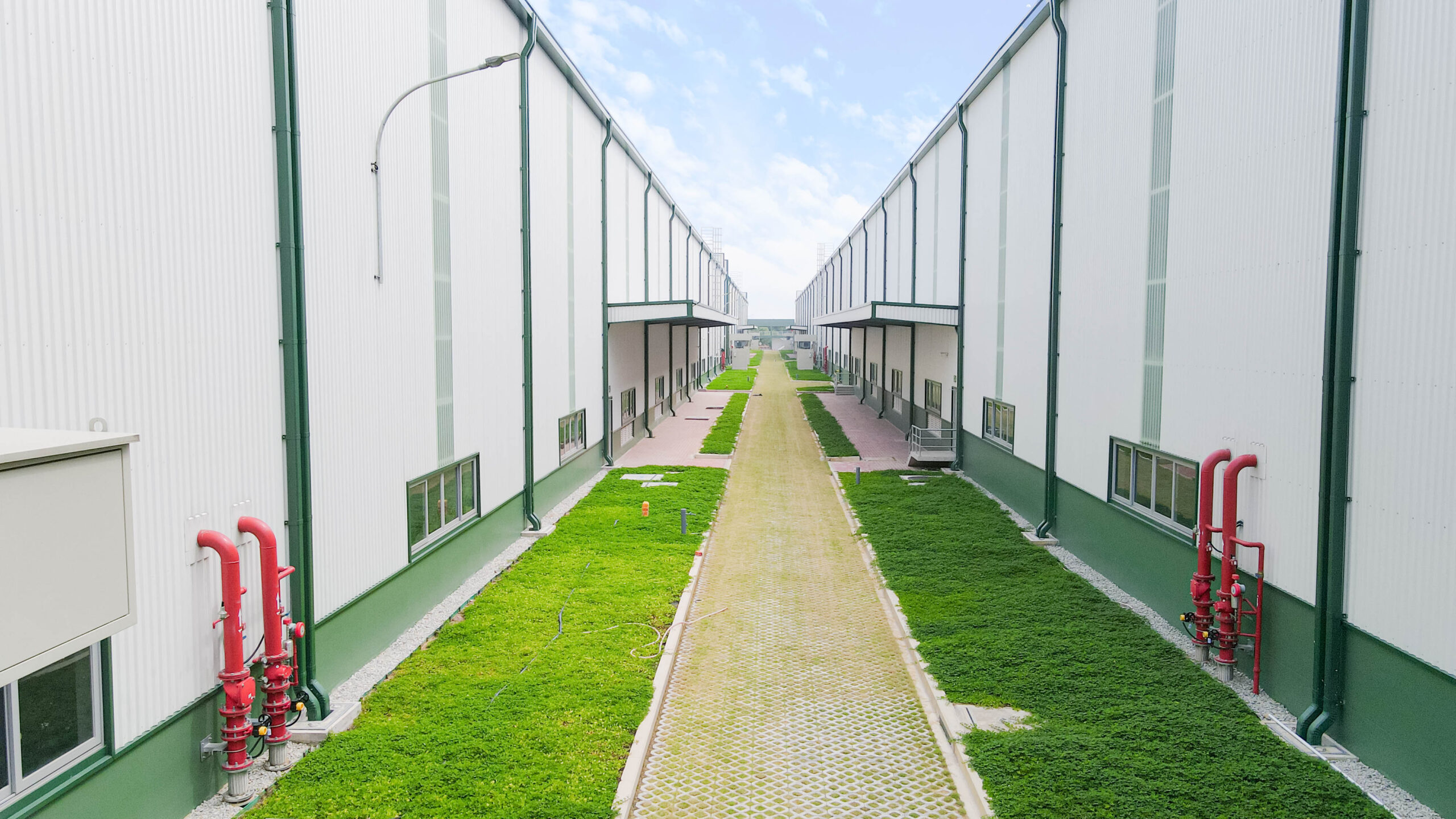
The distinction between KCN Vietnam warehouses and traditional facilities lies in the technical specifications, meticulously engineered to optimize operational productivity:
- Clear Height: The height of 10.5m enables businesses to install high-bay racking systems, multiplying storage capacity by 2 to 3 times on the same floor footprint.
- Floor Loading Capacity: Up to 3.0 tons/sqm. Floors are reinforced with Hardener technology for dust-proofing and wear resistance, fulfilling the requirements for continuous electric forklift movement and heavy pallet storage.
- Dock Leveler System: A high density of loading docks optimized for containers, significantly shortening loading and unloading cycles.
- Fire Fighting System: Level C with sprinkler system.
Dong Nai Warehouse Rental Costs in 2026
Location & Logistics Connectivity
Location is a factor that not only affects rental prices but also directly determines transportation costs, delivery lead times, and the stability of the entire logistics chain.
Areas close to Long Thanh International Airport, Cat Lai Port, or with rapid access to the Cai Mep – Thi Vai port cluster generally command premium rental rates, but in return, they deliver:
- Significantly shortened delivery lead times.
- Reduced fuel expenses and waiting times.
- Increased reliability in fulfillment commitments.
Conversely, a warehouse with a lower face rental rate but situated far from major transport corridors can incur much higher freight expenses over time – particularly for operating models with high-frequency inbound and outbound cargo flows.
Technical Standards: A Direct Lever for Operational Productivity
Variations in rental costs between warehouses are largely driven by construction standards and operational capabilities.
International-standard warehouses enable businesses to:
- Increase storage density within the same area footprint.
- Reduce dependency on manual labor.
- Optimize inbound/outbound workflows and fulfillment processes.
This is particularly critical in modern operational contexts (such as e-commerce, 3PL, and omnichannel) that demand rapid processing speeds and automated integration.
In practice, many businesses opt for low-priced warehouses that fail to meet operational benchmarks, forcing them to restructure or relocate after just 1-2 years. The resulting expenses – including operational downtime, setup costs, and negative impacts on customer experience – are typically far higher than the initial savings.
Infrastructure & Operational Capability: Hidden Costs that Dictate Long-term Efficiency
Alongside location and structural standards, an essential yet frequently underestimated element is the quality of internal infrastructure and the operational capability of the developer.
Projects featuring complete infrastructure assist companies in:
- Minimizing disruption risks.
- Maintaining long-term operational stability.
- Limiting unplanned, incidental costs.
Furthermore, operational capability directly impacts troubleshooting responsiveness, maintenance quality, and the overall experience of the tenant enterprise throughout the lease term.
Cost Optimization Strategies for FDI Enterprises
Rather than focusing solely on minimizing unit rental prices, FDI firms are shifting toward an approach centered on overall supply chain efficiency.
Several widely adopted principles include:
- Prioritizing strategic locations: Setting up near logistics nodes rather than urban centers.
- Investing in high-standard warehouses from the start: Avoiding future upgrade or relocation expenses.
- Evaluating costs over a 3-to-5-year cycle: Looking beyond short-term lease rates.
- Leveraging green warehouse models: Cutting energy expenditures and satisfying international compliance.
- In an era of intense supply chain competition, a company’s edge no longer comes from finding the cheapest warehouse, but from its capacity to optimize the entire operational ecosystem by making the correct choice from day one.
KCN Vietnam – The Leading Warehouse Provider in Dong Nai
With an extensive portfolio spanning strategic locations across the province, KCN Vietnam offers more than just storage space; it delivers a sustainable growth ecosystem:
- Strategic Locations & International Green Standards: Holding land banks in the primary logistics hubs of Nhon Trach and Ho Nai, highlighted by the Nhon Trach 6D project which achieved LEED Gold certification. This represents a solid commitment to sustainability, enabling tenants to optimize operational costs by 20-30% through rooftop solar energy and energy-efficient architecture.
- International Operational Benchmarks: Warehouses conform strictly to fire protection regulations, feature floor loading capacities of tons/sqm, and clear heights of 10.5m, leaving them fully prepared for advanced automation systems.
- Comprehensive Consultancy Support: Fully understanding the hurdles FDI businesses face when entering the market, we assist in securing the Investment Registration Certificate (IRC) and the Enterprise Registration Certificate (ERC), helping clients accelerate their go-to-market timelines and minimize opportunity costs.
- Net Zero Commitment: By deploying rooftop solar systems and energy conservation solutions, KCN Vietnam solidifies our dedication to sustainable growth through a pipeline of future green projects, accompanying clients in fulfilling their environmental responsibilities.
Conclusion
Dong Nai in 2026 represents the golden window for enterprises to secure their warehouse footprints and capitalize on the largest infrastructure surge of the decade. Selecting a reputable warehouse developer with international-standard systems will help businesses strike an ideal balance between operational efficiency and brand prestige within the global supply chain.
KCN Vietnam is proud to be a premier strategic partner, boasting a land bank of over 300 hectares and numerous flagship projects. We do not just lease industrial warehouses; we provide a secure, green, and sustainable manufacturing ecosystem for every investor.
KCN MANAGEMENT AND SERVICES JSC
HEADQUARTER
Level 10 – Saigon View,
117 Nguyen Cuu Van, Gia Dinh Ward,
Ho Chi Minh City, Vietnam
HANOI OFFICE
Suite 1812 – Charmvit Tower,
117 Tran Duy Hung, Yen Hoa Ward,
Hanoi, Vietnam
Hotline: 1900 0089
Tel: +84 28 7777 0089