Industrial Zones vs. Industrial Clusters: A Comprehensive Guide for Vietnam Investors
As Vietnam continues its rapid expansion as a global manufacturing powerhouse in 2026, foreign and domestic investors are increasingly faced with a critical strategic decision: where to anchor their production facilities. In the Vietnamese regulatory landscape, two terms often appear: Industrial Zones and Industrial Clusters.
While they may seem similar to the casual observer, they serve fundamentally different purposes, operate under distinct legal frameworks, and offer unique benefits. Choosing the wrong one can significantly impact your tax incentives, supply chain connectivity, and long-term business scalability.
1. Defining the Industrial Zone (IZ)
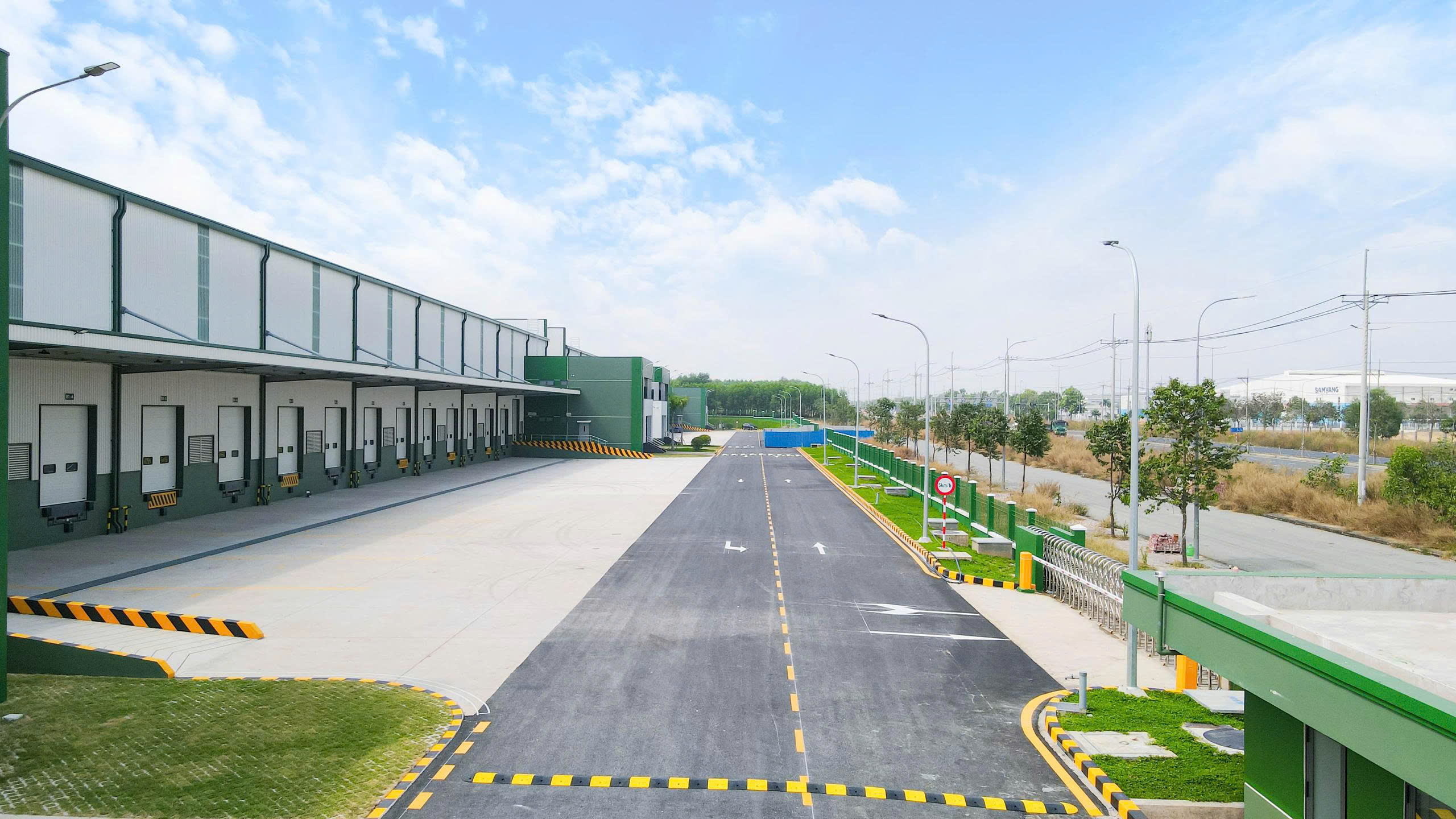
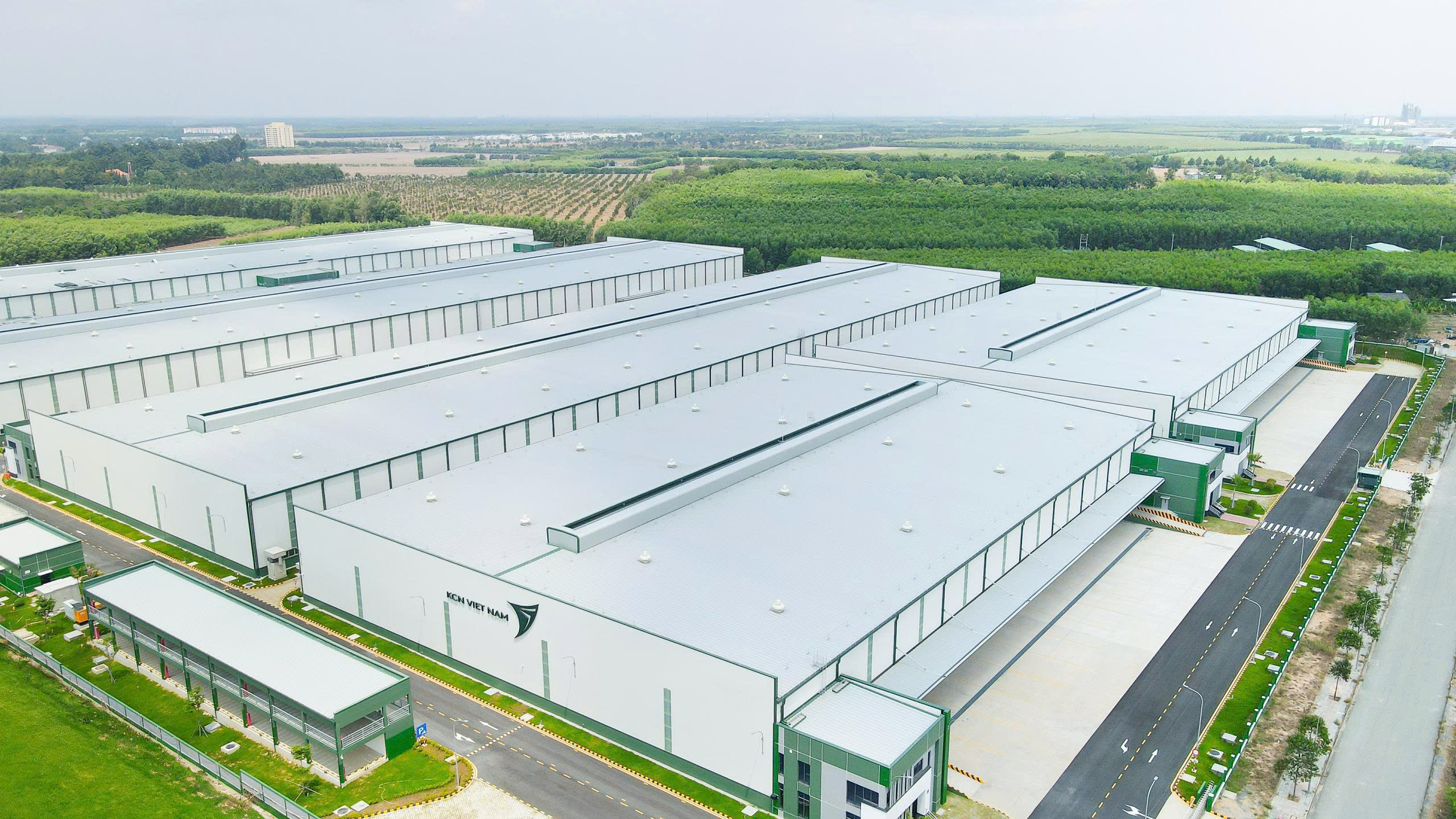
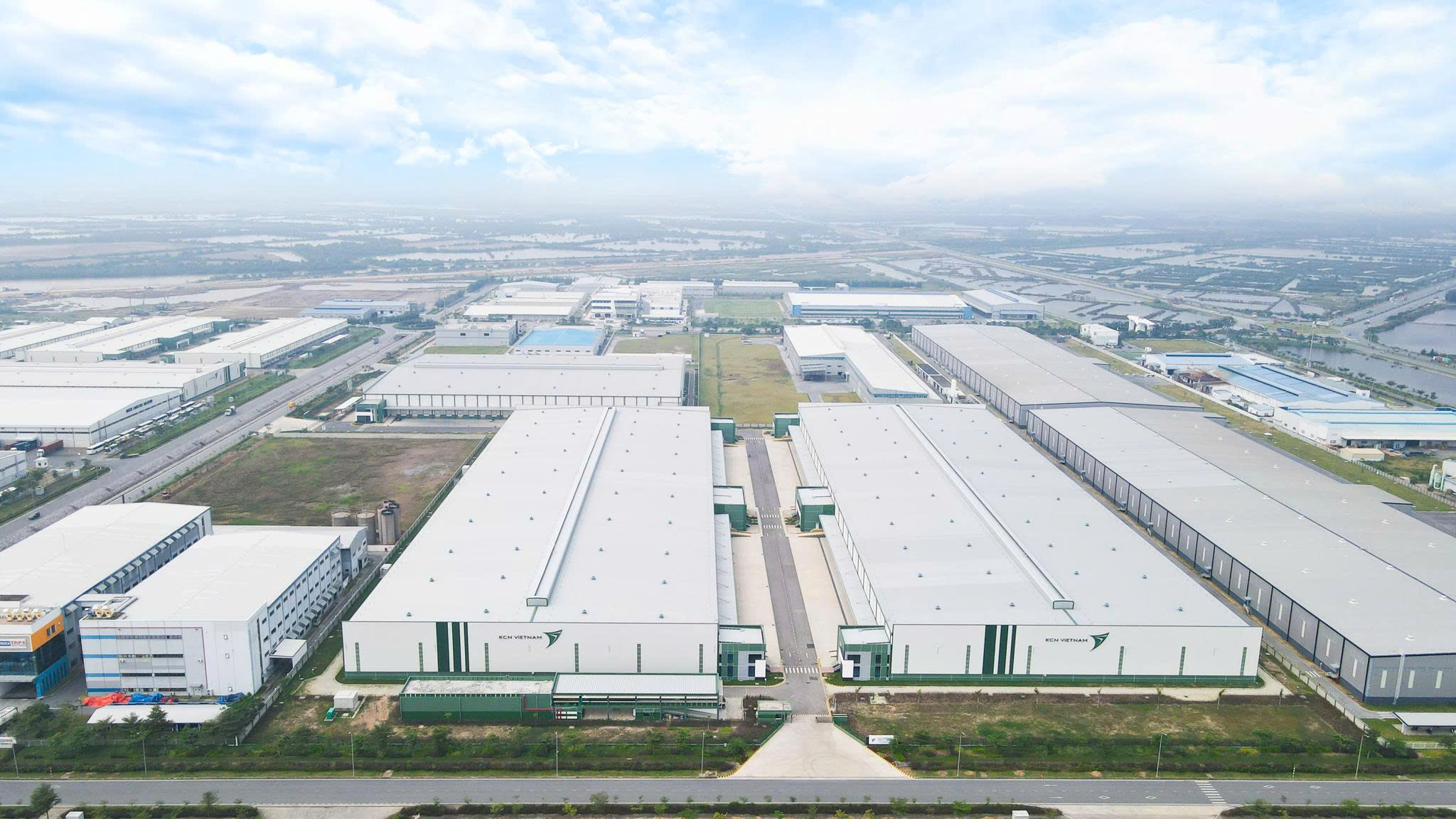
Industrial Zones are large-scale, state-planned areas specifically designed to support high-tech manufacturing, large-scale industrial production, and export-oriented enterprises. They are the primary hubs for Foreign Direct Investment (FDI) in Vietnam.
- Scale and Scope: IZs are typically vast, often covering over 100 hectares of land area. They are planned with a long-term vision to create integrated ecosystems.
- Infrastructure: They feature highly centralized, standardized infrastructure, including heavy-duty power grids, centralized wastewater treatment plants, and robust telecommunications.
- Administration: IZs are overseen by Provincial Industrial Zone Management Boards, which act as “one-stop-shops” to streamline business licensing, customs procedures, and investment approvals for foreign entities.
2. Defining the Industrial Cluster (IC)
Industrial Clusters are generally smaller, localized units aimed at supporting small and medium-sized enterprises (SMEs), traditional craft industries, and local supply chain partners.
- Scale and Scope: ICs are smaller, usually under 75 hectares. Their primary goal is to integrate into the local economy, facilitating regional raw material processing and light manufacturing.
- Infrastructure: Infrastructure in ICs is typically designed to meet basic local or regional standards. While sufficient for light industry, it may not support the high-capacity demands of heavy manufacturing or complex chemical processing.
- Administration: Management is often handled by local district or town-level authorities, focusing on local socio-economic development and job creation.
3. Comparative Breakdown: Key Differentiating Factors
| Feature | Industrial Zone (IZ) | Industrial Cluster (IC) |
| Primary Target | Global FDI & Large-scale OEM | SMEs, Craft villages, Local supporting industry |
| Size/Scale | Large (>100 hectares) | Small to Medium (<75 hectares) |
| Infrastructure | Fully centralized, international standards | Basic, decentralized/local standards |
| Admin Authority | Provincial Management Board | Local/District-level authorities |
| Investment Incentives | High (National priority for FDI) | Moderate (Local socio-economic priority) |
4. Strategic Considerations: Which Model Fits Your Business?
The Case for Industrial Zones (IZs)
- Heavy Production Needs: If your process requires high-voltage power stability, high-capacity steam, or specialized industrial water treatment, IZs provide the necessary robust infrastructure.
- Export/Import Connectivity: IZs often host on-site customs clearance offices, significantly simplifying the logistics of importing raw materials and exporting finished goods.
- Global Compliance: If your business model requires international certification (such as ISO, LEED, or strict ESG standards), IZs provide the consistent, compliant environment necessary to achieve these benchmarks.
The Case for Industrial Clusters (ICs)
- Supply Chain Integration: If your business is a specialized component supplier for a larger OEM nearby, an IC offers proximity and lower operational costs.
- Light Industrial Focus: If your manufacturing processes have a minimal environmental footprint and do not require heavy industrial infrastructure, an IC can provide a more cost-effective location.
- Local Market Focus: If your production is primarily aimed at the domestic market rather than global export, an IC offers a favorable entry point into the local economy.
5. Bridging the Gap: KCN Vietnam’s Integrated Solutions
For many investors, the challenge is not just choosing between an IZ or an IC, but finding a facility developer that guarantees operational reliability and growth potential. KCN Vietnam solves this by providing premium industrial infrastructure that bridges these gaps.
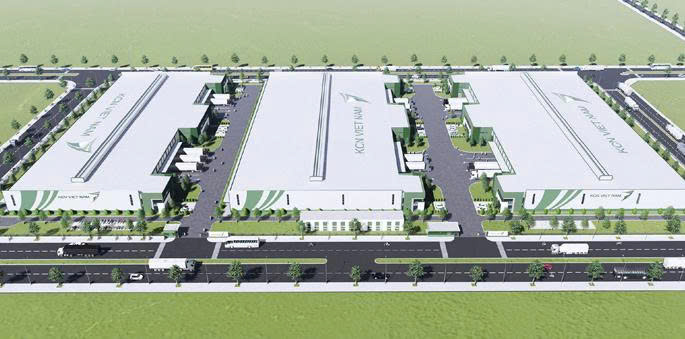
Our Ready-Built Factories (RBF) and Ready-Built Warehouses (RBW) offer international-standard infrastructure within prime industrial hubs across Vietnam, including Haiphong, Bac Ninh, Ho Chi Minh City, Dong Nai, and Tay Ninh. Whether you are an SME needing a flexible 1,000 sqm space or a large-scale manufacturer requiring a Built-to-Suit (BTS) solution, our assets provide:
- Administrative Support: We guide tenants through the “maze” of licensing, accounting, and compliance.
- Infrastructure Readiness: Our facilities are built to high-spec standards with fire fighting system, power connectivity, and wastewater management, providing “IZ-level” reliability for all our tenants.
- Sustainability: With LEED-certified options, we help your business meet modern ESG mandates, regardless of whether you are in an IZ or an IC-adjacent location.
Conclusion
The choice between an Industrial Zone and an Industrial Cluster is a long-term commitment that defines your operational potential. While IZs offer the infrastructure and administrative stability required by global manufacturers, ICs offer localized, cost-effective entry points for SMEs and supporting supply chain partners.
KCN MANAGEMENT AND SERVICES JSC
HEADQUARTER
Level 10 – Saigon View,
117 Nguyen Cuu Van, Gia Dinh Ward,
Ho Chi Minh City, Vietnam
HANOI OFFICE
Suite 1812 – Charmvit Tower,
117 Tran Duy Hung, Yen Hoa Ward,
Hanoi, Vietnam
Hotline: 1900 0089
Tel: +84 28 7777 0089