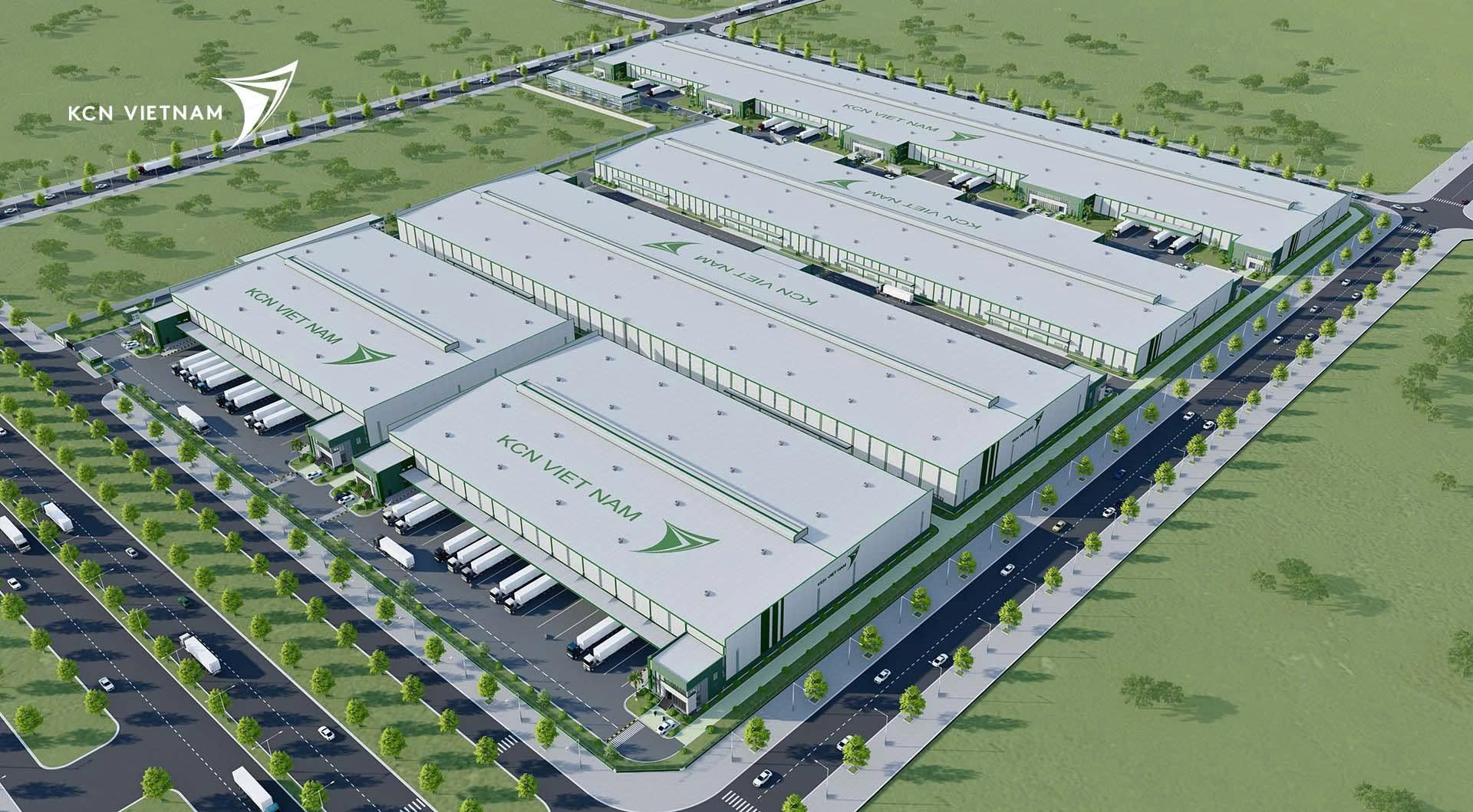
Navigating the Green Factory Revolution: Overcoming ESG Challenges in Vietnam
As we approach the second half of 2026, Environmental, Social, and Governance (ESG) criteria have shifted from a corporate “nice-to-have” to a core operational mandate for the manufacturing sector. In Vietnam, where the national commitment to “Net Zero 2050” is increasingly influencing local industrial zoning laws, the transition to “Green Factories” has become an urgent strategic necessity for foreign and domestic investors alike.
However, the path to sustainability is fraught with complexity. Successfully navigating this transition requires balancing regulatory compliance, operational efficiency, and long-term capital investment.
1. The ESG Landscape in Vietnam’s Industrial Sector
To build a roadmap, one must first define the three pillars of ESG within an industrial context:
- Environmental: Focuses on energy efficiency, the reduction of carbon footprints, and the implementation of circular waste management protocols.
- Social: Centers on maintaining high standards for employee health, safety, labor rights, and positive community impact in the areas surrounding the industrial site.
- Governance: Emphasizes ethical supply chain management, transparency in reporting, and compliance with the evolving framework of Vietnamese green regulations.
2. Common Challenges in Developing Green Factories
The transition to a sustainable factory is rarely seamless. Most enterprises encounter four primary hurdles:
- Retrofitting Costs (CapEx): Upgrading older, legacy facilities to meet high-level green certifications like LEED or LOTUS often requires significant initial capital expenditure.
- Supply Chain Complexity: Many manufacturers struggle to track “Scope 3” emissions – the carbon footprint generated by a fragmented network of raw material suppliers.
- Data Gaps: Sustainability requires measurement. Many firms lack the integrated smart systems needed to accurately track real-time energy consumption or carbon output.
- Policy Hurdles: Navigating the shifting landscape of Vietnam’s environmental reporting laws can be a heavy administrative burden for companies not equipped with local expertise.
3. The Roadmap to Sustainable Manufacturing
A successful transition generally follows a three-phased approach:
- Energy Optimization: Immediate impact is achieved by transitioning to LED lighting, installing rooftop solar arrays, and optimizing natural climate control through passive architectural design.
- Water & Waste Management: Implement closed-loop water systems (recycling process water) and strict circular economy protocols to minimize industrial waste.
- Digital Integration: Deploy IoT-enabled Building Management Systems (BMS) to monitor energy efficiency and emissions in real-time, turning sustainability into a data-driven process.
4. How KCN Vietnam Simplifies the ESG Transition
At KCN Vietnam, we believe sustainability should be “baked into” the infrastructure, not added on as an afterthought.
- Green-from-the-Ground-Up: Our Ready-Built Factories (RBF) are designed with ESG compliance as a core design principle, often being LEED/LOTUS ready from day one.
- Energy Infrastructure: We provide solar-ready roofs and high-efficiency building insulation as standard features, directly slashing operational utility costs and carbon metrics for our tenants.
- Compliance Partnerships: We actively partner with our tenants to navigate the complex landscape of environmental permits and ESG documentation, significantly reducing the administrative burden on your management team.
5. The ROI of “Green”: Why it Pays Off
While “Green” industrial assets may carry a slight premium in lease rates compared to legacy buildings, they offer a superior Net Value through multiple avenues:
- Lower Operating Costs: Energy efficiency directly translates to lower monthly utility bills, creating a positive feedback loop for your OpEx.
- Market Access: Green certification is increasingly becoming a prerequisite for supply chain inclusion by global giants (especially in European and US markets), ensuring long-term contracts.
- Access to Green Loans: Financial institutions are prioritizing “Green Assets,” offering preferential lending rates for businesses that can demonstrate sustainable operations.
- Brand Reputation: Sustainability is a magnet for high-quality human talent and environmentally conscious investors.
Conclusion
Sustainability is no longer a choice; it is a strategic necessity for survival in the global supply chain. By choosing an industrial home that prioritizes ESG, companies can transform compliance hurdles into competitive advantages.
Are you ready to align your production with international sustainability standards? Contact KCN Vietnam today for a consultation on transitioning to sustainable, high-compliance industrial assets that secure your company’s future.
- Website: https://kcnvietnam.com/
- Hotline: 1900 0089
- Solutions: High-specification Ready-Built Factories, Warehouses, Hybrid units, and Built-to-Suit (BTS) assets designed for a sustainable future.
KCN MANAGEMENT AND SERVICES JSC
HEADQUARTER
Level 10 – Saigon View,
117 Nguyen Cuu Van, Gia Dinh Ward,
Ho Chi Minh City, Vietnam
HANOI OFFICE
Suite 1812 – Charmvit Tower,
117 Tran Duy Hung, Yen Hoa Ward,
Hanoi, Vietnam
Hotline: 1900 0089
Tel: +84 28 7777 0089