The 5S System in Factory Management: Maximizing Industrial Efficiency and Safety
In the high-velocity environment of modern manufacturing, operational excellence is a continuous pursuit. Yet, many facilities run into invisible profit leaks caused by workspace clutter, misplaced tools, and disorganized production lines. These minor inefficiencies silently bleed time and revenue.
To combat this, leading global manufacturers rely on the 5S System. Originally developed in Japan as a foundational pillar of Lean Manufacturing and Total Productive Maintenance (TPM), 5S is far more than a simple housekeeping routine. It is a systematic, data-driven framework that directly optimizes workflow velocity, eliminates material waste, and elevates workplace safety.
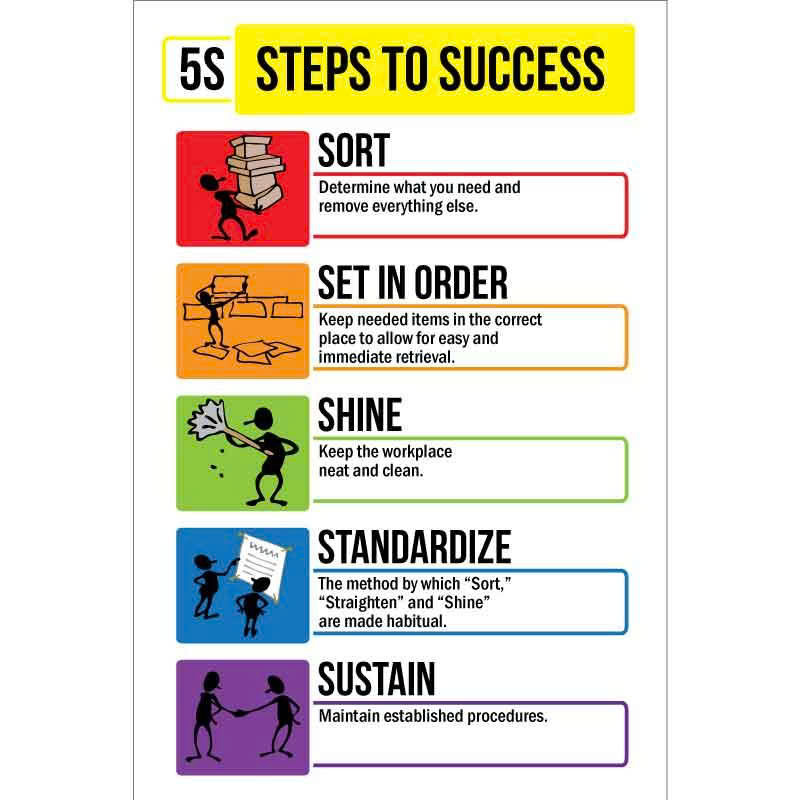
1. Breaking Down the 5S Framework
To successfully execute a 5S strategy, plant managers must understand and enforce each of its five sequential phases:
- Seiri (Sort ): Go through all tools, materials, and equipment on the factory floor and separate what is absolutely necessary from what is not. Unused machinery, broken tools, and scrap materials are red-tagged and removed to free up valuable floor space.
- Seiton (Set in Order): Organize the remaining necessary items so they are easy to locate, utilize, and return. The guiding principle here is “a place for everything, and everything in its place.”
- Seiso (Shine): Clean the entire workspace, including machinery, workstations, and floors. In advanced factory management, this phase acts as a preliminary inspection process. Cleaning allows operators to spot structural anomalies, fluid leaks, or worn-out components before they cause major breakdowns.
- Seiketsu (Standardize): Turn the first three steps into a standardized daily routine. This involves establishing clear visual controls, checklist schedules, and standardized ownership areas across the production floor.
- Shitsuke (Sustain): Foster the cultural discipline and continuous training required to maintain 5S long-term. This step ensures that the system becomes an ingrained habit for everyone, from the factory floor operators to senior executives.
2. Why 5S is Vital for Modern Factory Management
Implementing the 5S methodology yields immediate, measurable improvements across several core operational metrics:
Total Waste Elimination
Time spent by technicians searching for a specific wrench or raw material batch is non-value-added time. 5S streamlines floor layout logistics, drastically reducing motion waste, material handling errors, and manufacturing bottlenecks.
Preventive Maintenance Acceleration
By embedding the “Shine” phase into daily shift changes, factories transition from reactive maintenance to proactive care. Catching a hydraulic micro-leak or structural friction early saves thousands of dollars in unexpected machinery downtime and preserves equipment lifespans.
Enhanced Workplace Safety
A clean and structured factory floor is inherently a safe one. Eliminating clutter, wiping down oily surfaces, keeping pedestrian walkways unobstructed, and clearly labeling chemical storage zones significantly reduces the risk of slips, trips, falls, and industrial accidents.
3. Step-by-Step 5S Implementation Strategy
A successful 5S rollout requires structured execution rather than a vague directive to “clean up.”
- Form a Committee: Establish a cross-functional 5S committee led by production, safety, and facility managers to define clear Key Performance Indicators (KPIs).
- Launch a Red-Tag Campaign: Dedicate the first week entirely to Sorting. Affix highly visible red tags to idle equipment, outdated inventory, or unneeded tools, moving them to a designated quarantine zone for final disposal.
- Deploy Visual Management Systems: Utilize physical visual cues on the floor. This includes installing tool shadow boards, painting clear color-coded walking paths and hazard zones, and setting up highly visible label systems on storage racks.
- Institute Routine Audits: Create a standardized 5S scoring matrix. Perform weekly or monthly spot audits across different zones to keep teams accountable and maintain high standards.
4. Operational Metrics Affected by 5S Execution
| Performance Metric | Pre-5S Baseline | Post-5S Optimization |
| Tool/Material Retrieval Time | High (Minutes wasted per shift) | Near-Instant (Under 30 seconds via shadow boards) |
| Equipment Downtime | High (Reactive to sudden failures) | Low (Proactive defect detection during cleaning) |
| Workspace Safety Risk | Moderate to High (Unmarked hazards) | Minimized via visual zoning and clear walkways |
| Audit Compliance Rate | Variable and inconsistent | Consistently high due to standardization |
5. KCN Vietnam: Providing the Ideal Infrastructure for 5S Systems
The success of a 5S system depends heavily on the quality of the physical building layout. Trying to implement advanced visual management in an outdated, poorly lit, or cramped facility is an uphill battle.
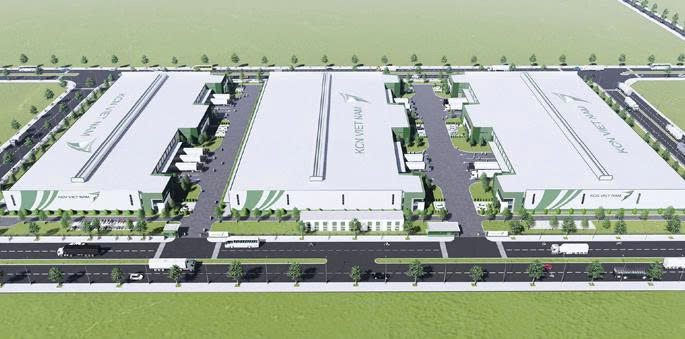
KCN Vietnam designs its high-specification Ready-Built Factories (RBF) with Lean manufacturing configurations in mind:
- Optimized Column Spacing & Spatial Grids: Our facilities feature wide, efficient column spacing that allows production managers to map out assembly layouts effortlessly, set up distinct tool stations, and paint clear, unobstructed 5S floor markings.
- Premium Natural Ventilation & Advanced Lighting: Incorporating smart industrial louvers and extensive natural lighting panels, KCN Vietnam assets remain bright and airy. This makes the “Shine” phase highly effective, helping operators easily spot dust accumulation, machine leaks, or structural wear.
- Built-In Audit Readiness: By choosing a premium facility built to strict global engineering and safety codes, our tenants bypass structural compliance bottlenecks, allowing them to pass international safety and operational management audits from day one.
Conclusion
The 5S system is not an aesthetic luxury; it is a proven engineering strategy that converts organized space into higher productivity and leaner profit margins. By optimizing the physical workspace, manufacturers protect their assets, eliminate waste, and keep their workforce safe.
Are you ready to design a highly efficient, Lean-compliant manufacturing floor? Contact KCN Vietnam today to audit your workspace requirements and explore our premium portfolio of ready-built industrial assets engineered for operational excellence.
KCN MANAGEMENT AND SERVICES JSC
HEADQUARTER
Level 10 – Saigon View,
117 Nguyen Cuu Van, Gia Dinh Ward,
Ho Chi Minh City, Vietnam
HANOI OFFICE
Suite 1812 – Charmvit Tower,
117 Tran Duy Hung, Yen Hoa Ward,
Hanoi, Vietnam
Hotline: 1900 0089
Tel: +84 28 7777 0089